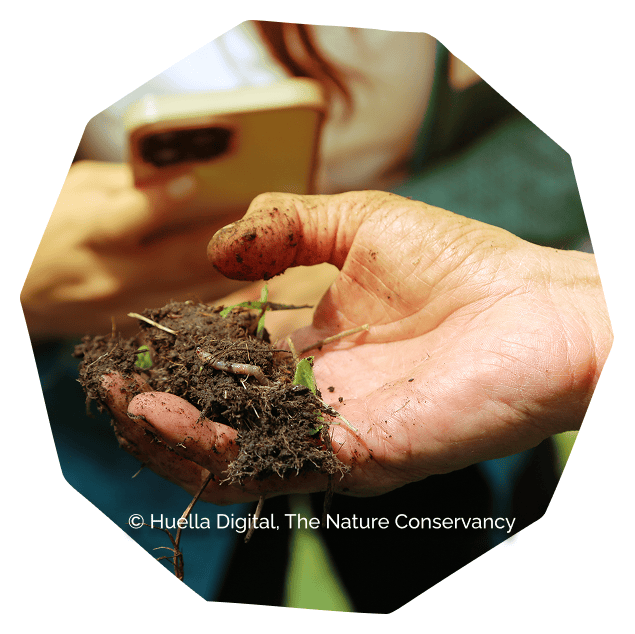

Livestock ranching and agriculture are not antagonists to nature but rather allies in its conservation..
We are Future Landscapes
An alliance of individuals and organizations driving the regeneration of agrifood landscapes in Latin America. We foster the conditions to cultivate agriculture and livestock systems that restore ecosystems, revitalize economies, and enhance human well-being.
Led by The Nature Conservancy, in consortium with the Helmholtz Centre for Environmental Research (UFZ) and Nestlé, backed by the International Climate Initiative (IKI) of the German government.
Our Work / What do we do?
We collaborate with producers, companies, governments, and key stakeholders in the food system to foster conditions and cultivate territories where agriculture and livestock ranching restore ecosystems, revitalize economies, and strengthen the well-being of rural producers, generating healthier food and an abundant future for people and nature.
Our Approach / How do we do it?
Through alliances that regenerate landscapes.
We connect stakeholders from diverse sectors who drive the regeneration of rural Latin America systemically, at scale, and across different dimensions (public policy, business models, financing, and knowledge).
Knowledge alliances
hat integrate science and local knowledge to transform rural areas. We document regenerative experiences, build capacity, and monitor evidence of the economic, social, and environmental benefits of regenerative agriculture and livestock ranching.
Alliances with public institutions
that promote policies, subsidies, and financing mechanisms favoring the regenerative transition for producers and their territories.
Alliances with markets, companies, and businesses
that drive regenerative business models that are profitable, sustainable, and generous to the land and those who cultivate it.
Alliances with funders and investors
that create innovative financing mechanisms and mobilize private capital toward regenerative agriculture and livestock ranching, reducing risks and incentivizing new investments.
Alliances among changemakers
that promote knowledge exchange and collaboration among producers, governments, investors, researchers, and companies to achieve a systemic transformation of rural Latin America.
Driving the regeneration of rural Latin America.
What is Regenerative Agriculture
and Livestock Ranching (R2A)?
It is an agrifood system management approach that integrates scientific and local knowledge to actively conserve and restore ecosystems and biodiversity, in and around production areas, helping to reduce environmental footprints, increase resilience, and improve productivity, while strengthening social inclusion, human health, and livelihoods.
Want to delve deeper into this concept?
Reduce footprints
increase resilience
improve productivity
Principles
Regeneration based on principles,
not rigid practices:
-
1 Diversity and synergistic integration
- 2 Recycling and efficient resource use
- 3 Resilience
-
4 Agrobiodiversity and food culture
- 5 Knowledge co-production and inclusive governance
- 6 Circular and regenerative economy
Diversity and synergistic integration
Promotes the diversity of species, people, and livelihoods according to local conditions, integrating farm and landscape through cooperation among stakeholders and territories.
Recycling and efficient resource use
Fosters the rational use of local renewable resources and the closing of energy, nutrient, and water cycles to reduce external dependency and negative impacts.
Resilience
Strengthens the agrifood system's capacity to withstand ecological and socioeconomic shocks, learn from them, and recover.

Agrobiodiversity and food culture
Protects and promotes agrobiodiversity as the foundation of nutritious, diverse, and culturally appropriate diets for farmers and consumers.

Knowledge co-production and inclusive governance
Drives fair decision-making, local capacity building, and community participation in policies and markets that foster regenerative practices.

Circular and regenerative economy
Reduces social and environmental impacts across value chains, connects producers and consumers, and promotes fair and sustainable local markets.
Discover the stories of regeneration
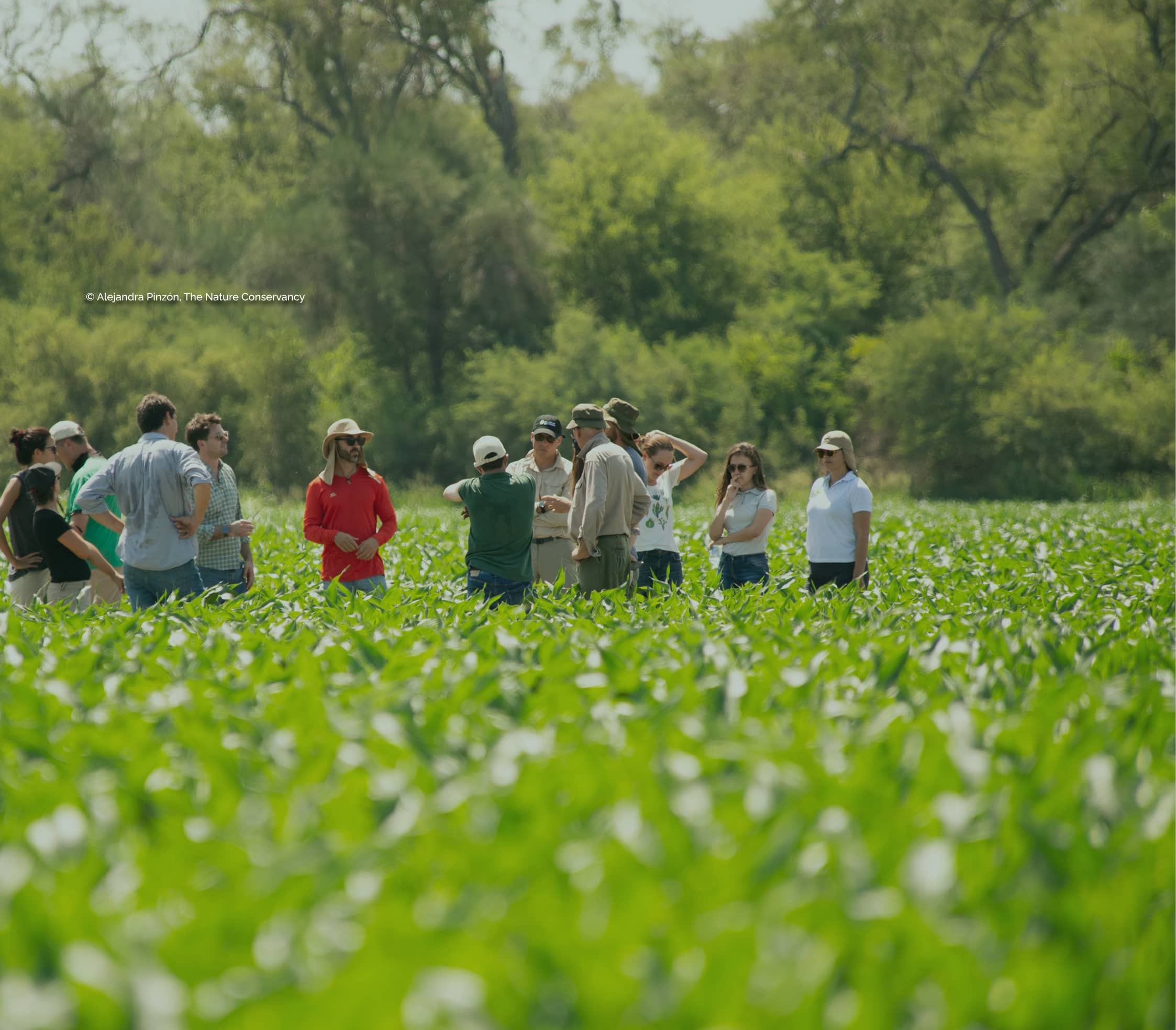
- In the Gran Chaco, a family-owned business decided to commit to producing food in rhythm with the ecosystem.
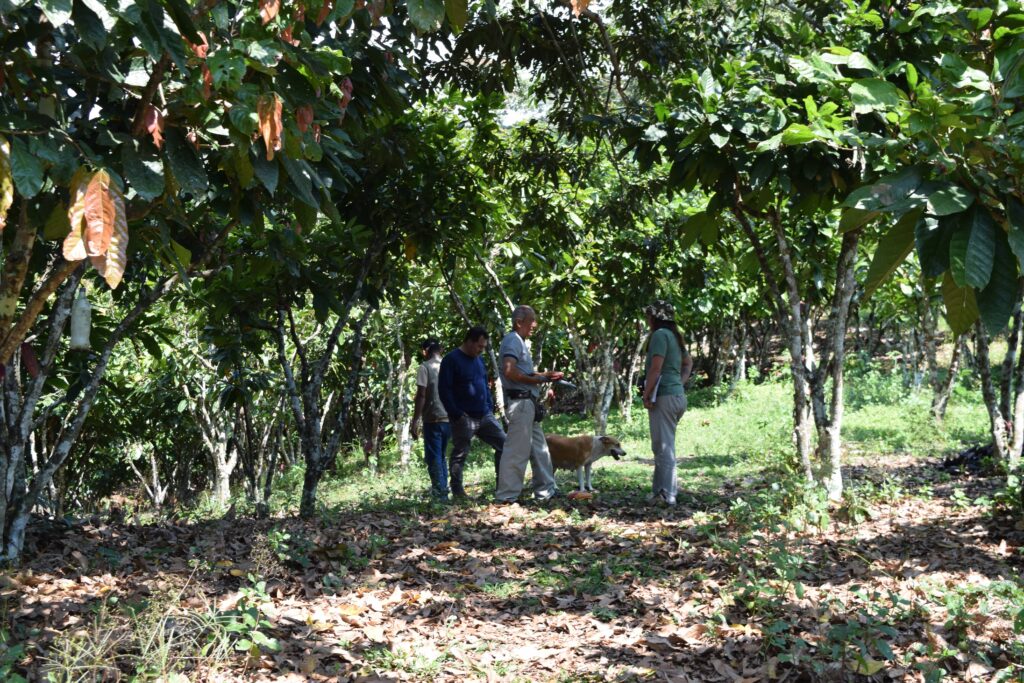
- In the Peruvian Amazon, a family chose to leave behind a history of illicit crops to cultivate a regenerative landscape that today yields cocoa, biodiversity, and stability.
- In the Gran Chaco, a family-owned business decided to commit to producing food in rhythm with the ecosystem.
Join our community
Join the regeneration
Do you work in agrifood regeneration in Latin America? Register to become part of our community and access our updates.
Join our community
Join the regeneration
Do you work in agrifood regeneration in Latin America? Register to become part of our community and access our updates.