Transforming 3 million hectares in Latin America into Regenerative Landscapes

Our mission

We regenerate landscapes so that agriculture and livestock ranching operate in synergy with nature.

We work to transform the agrifood system in Latin America, driving regenerative models that restore ecosystems, strengthen rural economies, and increase climate resilience. We believe that agriculture and livestock ranching can serve as a bridge connecting nature with community well-being.

Granjero con castañas en la mano

Why ?

Latin America is a critical region for the planet: a territory harboring nearly 50% of global biodiversity, alongside vast water reserves, forests, savannas, rivers, and the critical ecosystem services upon which life depends. Simultaneously, the region is the world's largest net exporter of food across multiple commoditie

This dual reality poses an urgent challenge: while agriculture sustains millions of families, jobs, and rural economies, the agricultural sector has also accelerated soil degradation, consumes nearly two-thirds of the region's available freshwater, drives deforestation, and generates almost half of the region's GHG emissions.

How can we conserve nature while ensuring resilient food production amidst population growth and increasingly frequent climate shocks?

Against this backdrop, regenerative agriculture and livestock ranching emerge as a concrete and promising response: a production approach that not only strengthens productivity and local economies but also restores soils, biodiversity, and water cycles, contributing to healthy and sustainable diets.

Our goals

ícono hectáreas

3M

hectares

under improved management and transitioning toward Regenerative Agriculture and Livestock Ranching in Colombia, Ecuador, Peru, Argentina, and Paraguay.
ícono personas beneficiadas

22K

people benefiting

from resilient economic opportunities in regenerative landscapes.
icono-emisiones-gases

20%

reduction in greenhouse gas emissions

within the impact area through the implementation of regenerative production systems.
icono-financiacion

120M

euros in additional financing

mobilized across the five countries.

¿Qué We Seek

Icono conceptual de una gota de agua cayendo sobre una pequeña planta que brota de la tierra, representando la restauración de la salud de suelos, agua y biodiversidad

Restore soil, water, and biodiversity health in strategic landscapes.

Icono de una planta joven junto a una flecha roja ascendente sobre una gráfica negra, simbolizando el aumento de la productividad y la rentabilidad a largo plazo

Increase long-term productivity and profitability.

ilustración de manos con semillas

Reduce dependency on external inputs.

Icono de una silueta de casa marrón con una hoja verde en su interior, simbolizando el fortalecimiento de comunidades rurales con ingresos estables y gobernanza inclusiva

Empower rural communities with stable incomes and inclusive governance.

icono-impulso-sistemas-alimentarios-diversos-nutritivos

Drive more diverse and nutritious food systems.

Icono del planeta Tierra junto a un sol brillante, simbolizando la contribución a la mitigación y adaptación climática en América Latina

Contribute to climate mitigation and adaptation in Latin America.

What we do

We act across five key dimensions of the agrifood system:

1

Colibri verde posado sobre una rama

Forge alliances to scale regeneration

2

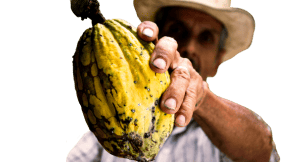
Manos mostrando una mazorca de cacao abierta

Facilitate access to knowledge, evidence, and technical assistance

3

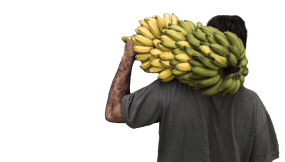
Productor cargando un racimo de banano

Co-design regenerative business models

4

Drive private and public financing mechanisms

5

Promote enabling conditions through public policy

How we do it

Our approach is built on three core pillars:

1

We prioritize principles, not just practices.

We do not promote one-size-fits-all approaches. We work with regenerative principles that adapt to each territory and agricultural culture.

Diversity and synergistic integration

Promotes the diversity of species, people, and livelihoods according to local conditions, integrating farm and landscape through cooperation among stakeholders and territories.

Recycling and efficient resource use

Fosters the rational use of local renewable resources and the closing of energy, nutrient, and water cycles to reduce external dependency and negative impacts.

Resilience

Strengthens the agrifood system's capacity to withstand ecological and socioeconomic shocks, learn from them, and recover.

Agrobiodiversity and food culture

Protects and promotes agrobiodiversity as the foundation of nutritious, diverse, and culturally appropriate diets for farmers and consumers.

Knowledge co-production and inclusive governance

Drives fair decision-making, local capacity building, and community participation in policies and markets that foster regenerative practices.

Circular and regenerative economy

Reduces social and environmental impacts across value chains, connects producers and consumers, and promotes fair and sustainable local markets.

2

We evaluate outcomes, not just interventions.

We measure impact on biodiversity, water, soils, climate, economic well-being, and food security to demonstrate that regeneration yields verifiable results.

Biodiversity enrichment

Production incorporates practices that increase genetic, crop, species, and habitat diversity, strengthening ecosystem services and system resilience.

Water use, availability, and quality are improved through practices that reduce pollution, recirculate resources, and optimize hydrological cycles.

Regenerative practices protect soil structure, biology, and fertility, enabling the recovery of its ecological function and maintaining long-term productivity.

Landscape and soil management contribute to carbon sequestration, reduce emissions, and increase crop and producer resilience to climate change.

Profitability is improved and costs are reduced through more resilient, diversified systems with expanded market opportunities.

The regenerative transition strengthens social cohesion, generates new local economic opportunities, and improves the quality of life in rural territories.

Diversified systems elevate the availability of nutritious food, promote healthy diets, and reinforce community food sovereignty.

3

We bridge stakeholders to achieve systemic transformation.

We connect producers, companies, governments, funders, and researchers to rewrite the rules of the agrifood system across multiple dimensions: public policy, business models, financing, and knowledge.

Key Elements of Our Approach

Ecosystem-Based Adaptation (EbA)

We promote solutions that leverage biodiversity and ecosystem services as the foundation for increasing the climate and productive resilience of territories.

Systems thinking

We intervene at multiple levels of the system—landscape, value chain, policies, and financial incentives—to achieve lasting and scalable change.