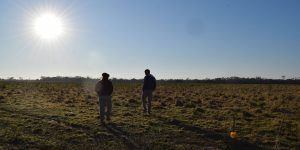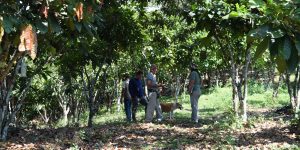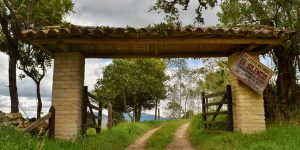
In one of Latin America's most challenging territories, a family-owned livestock farm demonstrates that conserving the forest is not a limitation, but the foundation of productivity. The experience of Los Tres Quebrachos reveals how to produce beef in harmony with the Chaco ecosystem.

Location: Chacabuco, Chaco, Argentina.

Ecosystem: Sub-humid Chaco, Dry Chaco

Precipitation: 900 mm | Evaporation: 1,200mm

28°C
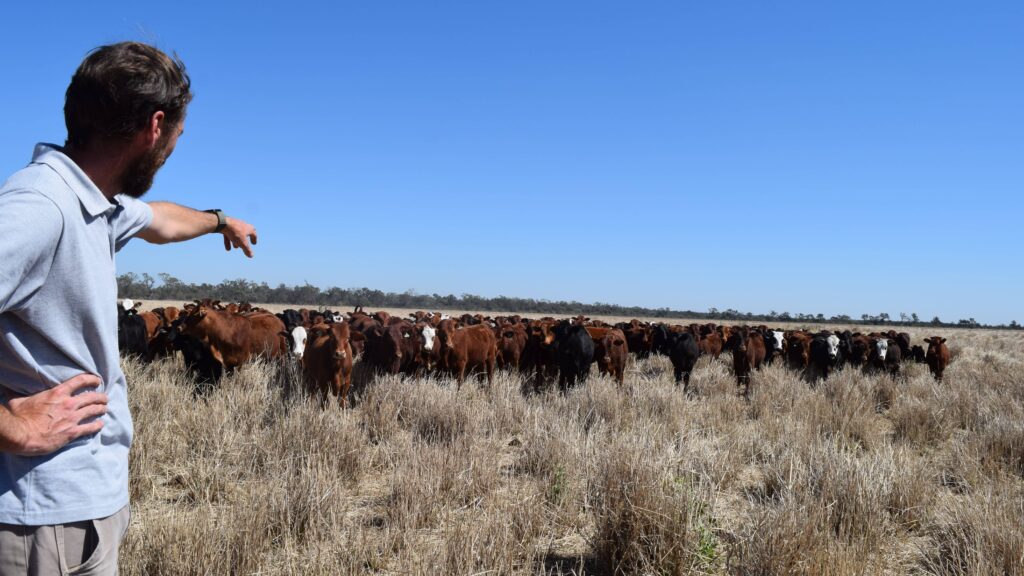
In the heart of the Argentine Gran Chaco, where extreme heat and unpredictable rainfall set the rhythm of life, the productive history has followed a dominant logic for decades: clear the land, plant pastures, and raise cattle until the soil is depleted. In this landscape of contrasts and growing pressures, a family farm decided to do the exact opposite.
Los Tres Quebrachos, a property of the Listello family, was born from a seemingly counterintuitive premise: producing without clearing the forest. In a territory where deforestation has been synonymous with development, conserving the woodlands was viewed for years as a limitation. Today, that decision has become their primary productive advantage.
A demanding ecosystem
The Gran Chaco is one of the world's most extensive dry forests, characterized by extreme temperatures, erratic rainfall, and fragile soils. When the vegetative cover is removed, the system rapidly loses its capacity to retain water, maintain organic matter, and sustain biodiversity. The result is unstable, short-term productivity.
Over 4 million people inhabit this territory, many of them linked to livestock ranching. In this context, the pressure to expand the agricultural frontier has been intense, with direct impacts on soils and ecosystems.
In this region, rainfall is concentrated in just six months of the year, accumulating around 900 millimeters annually. This necessitates a profound adaptation of productive strategies: not only concentrating crops within that window, but also managing water as a critical resource.
An uncommon decision: avoiding land clearing
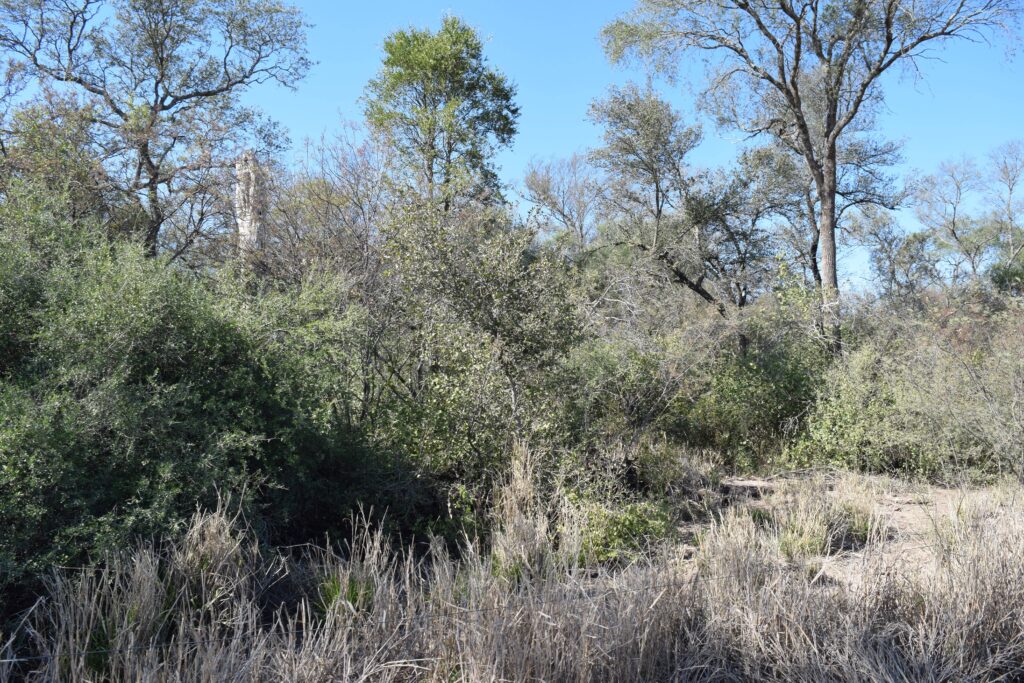
Unlike the dominant model, the forest at Los Tres Quebrachos was never completely cleared. The productive system was designed around a clear premise: the woodland is not an obstacle, but an ally.
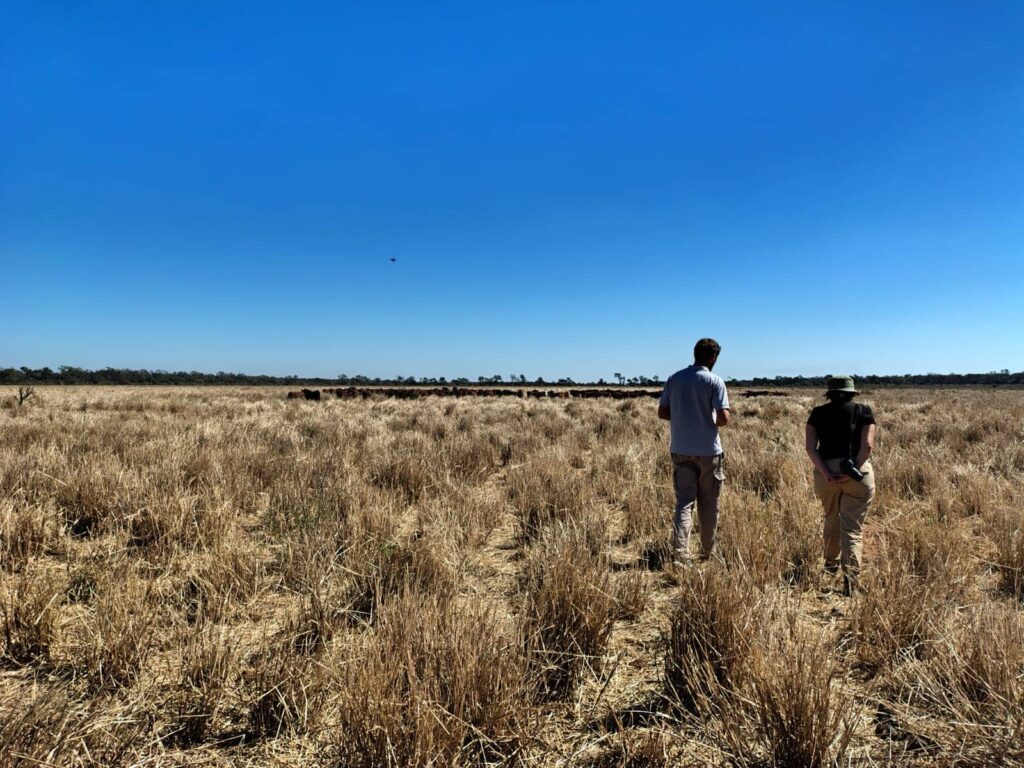
Today, the property organizes its production across 1,440 hectares, combining in an integrated manner:
- Livestock ranching on 350 hectares
- Agriculture on 700 hectares
- 390 hectares of natural vegetation
Instead of separating uses, the system functions as a single unit where the forest, agricultural production, and livestock ranching complement each other.
The outcome is not a boundary between conservation and production, but a continuous system where:
- The forest regulates the microclimate
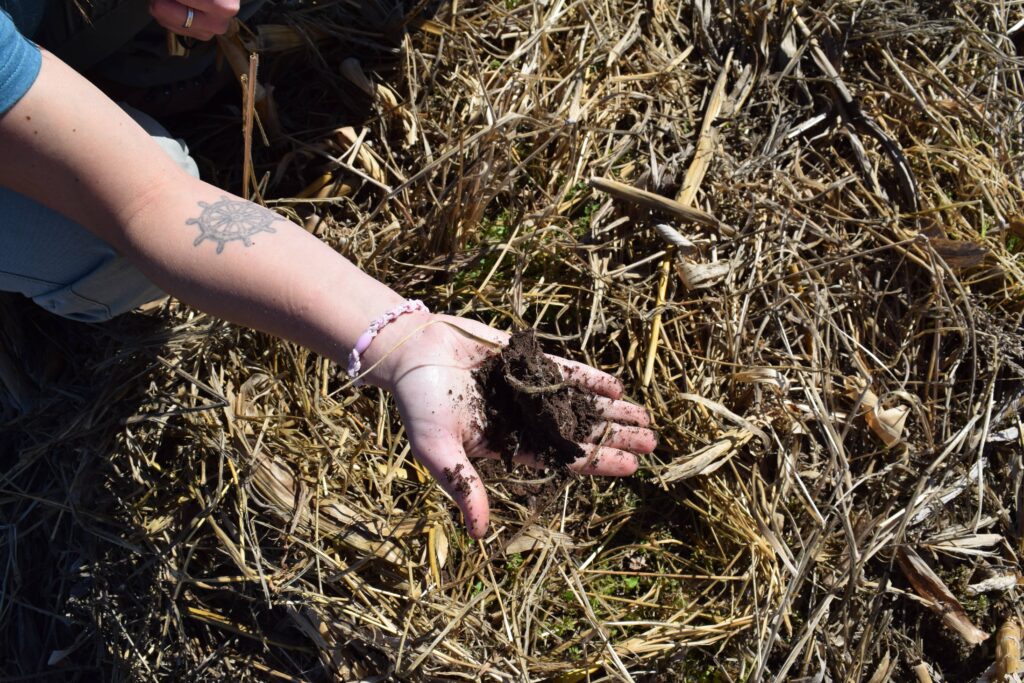
- The soil preserves its structure
- Water infiltrates and is retained more effectively
- Biodiversity sustains key productive processes
Managing time, not forcing it
The system's operation is based on concrete practices that respond to the Chaco's ecological rhythm:
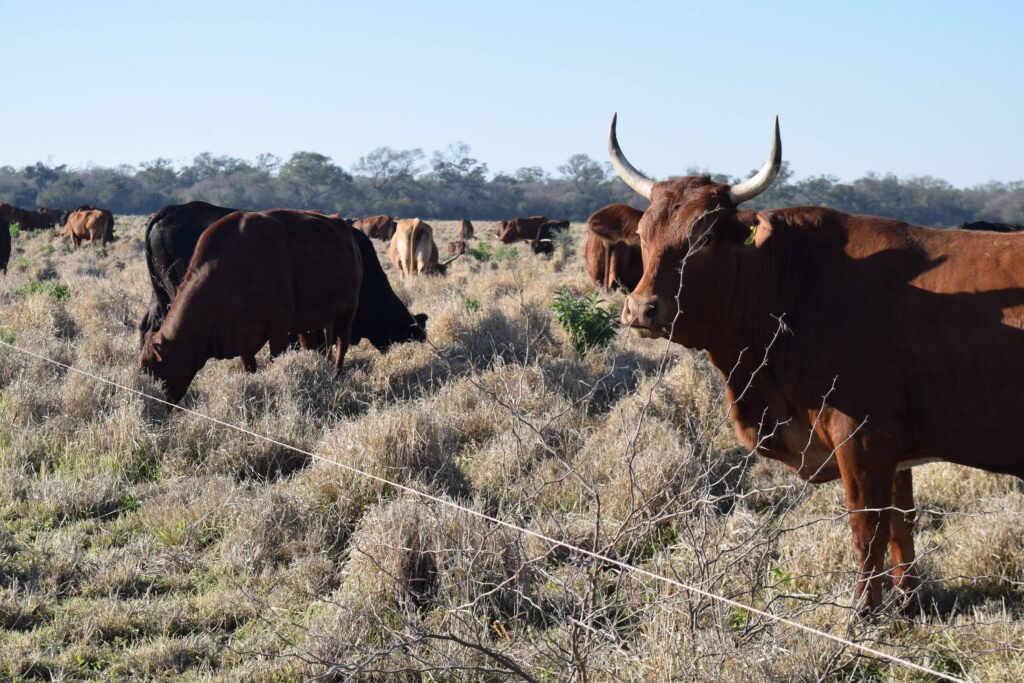
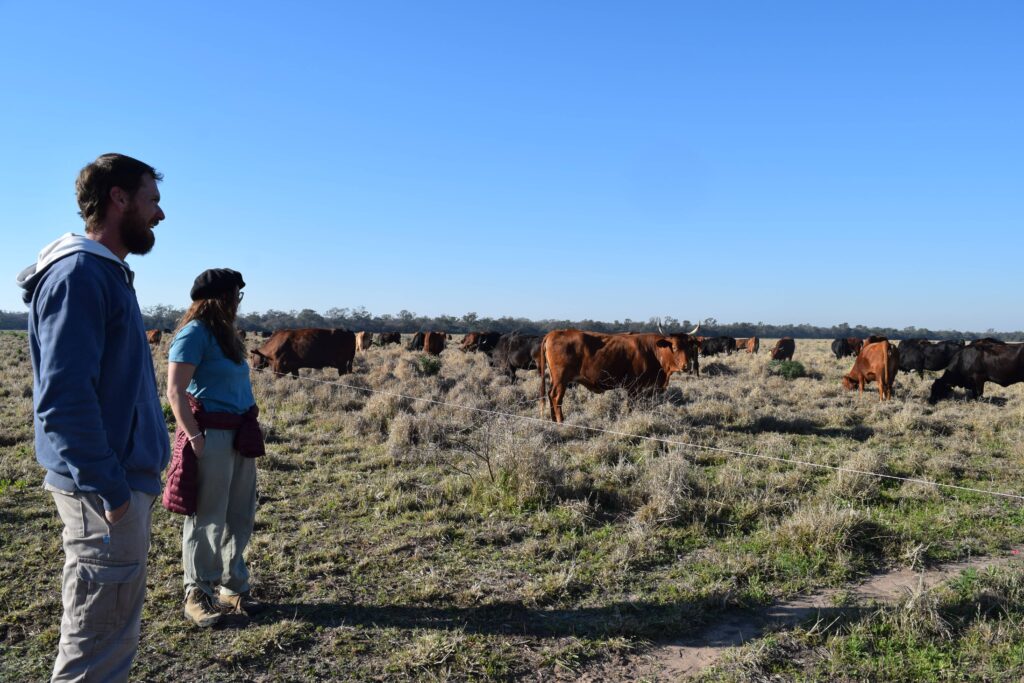
- Planned livestock rotations
- Prolonged periods of soil rest
- Constant monitoring of vegetation and its recovery
- Productive adjustments according to rainfall, droughts, and seasonality
This approach mitigates risks, enhances productive stability, and decreases soil degradation.
The livestock system operates with a stocking rate of 0.8 units per hectare, adjusted to the ecosystem's actual carrying capacity. This level prevents pasture overexploitation and enables sustained productivity even under adverse conditions.
Landscape-level outcomes
The impact of this management is visible across the territory. Compared to conventional systems, Los Tres Quebrachos features:

Greater permanent vegetative cover
Improved water infiltration and retention
Reduced soil erosion
Increased resilience to extreme weather events
Since the implementation of this approach, the farm has successfully increased soil organic matter from 2.1% to 3%—a significant improvement in an ecosystem where degradation is typically rapid and recovery is slow.
In an ecosystem with slow regeneration, these outcomes do not rely on intensive interventions, but rather on sustained decisions over time. In many cases, regeneration occurs as a result of what is left undone: no land clearing, no overstocking, no forced productive cycles.
"In these three years of intense drought, while most faced losses, we broke even,"notes Nicolás Listello.
Agriculture that supports the system
The agricultural dimension also aligns with this adaptive logic.
No-till ranching is employed for crops such as soybeans, wheat, corn, and sunflowers, minimizing soil disturbance. Simultaneously, cover crops like vetch, brachiaria, clover, oats, and radish are incorporated to maintain vegetative cover, enhance fertility, and strengthen soil structure.
Within a restrictive climatic context, these practices allow for the maximized use of available water and sustained productivity without degrading the system.
A paradigm shift
This farm's experience is not merely technical, but conceptual. It proposes a different way of understanding production:
- Efficiency is measured not only by volume, but by stability.
- The forest does not compete with livestock; it sustains it.
- Regeneration is not a cost; it is an investment.
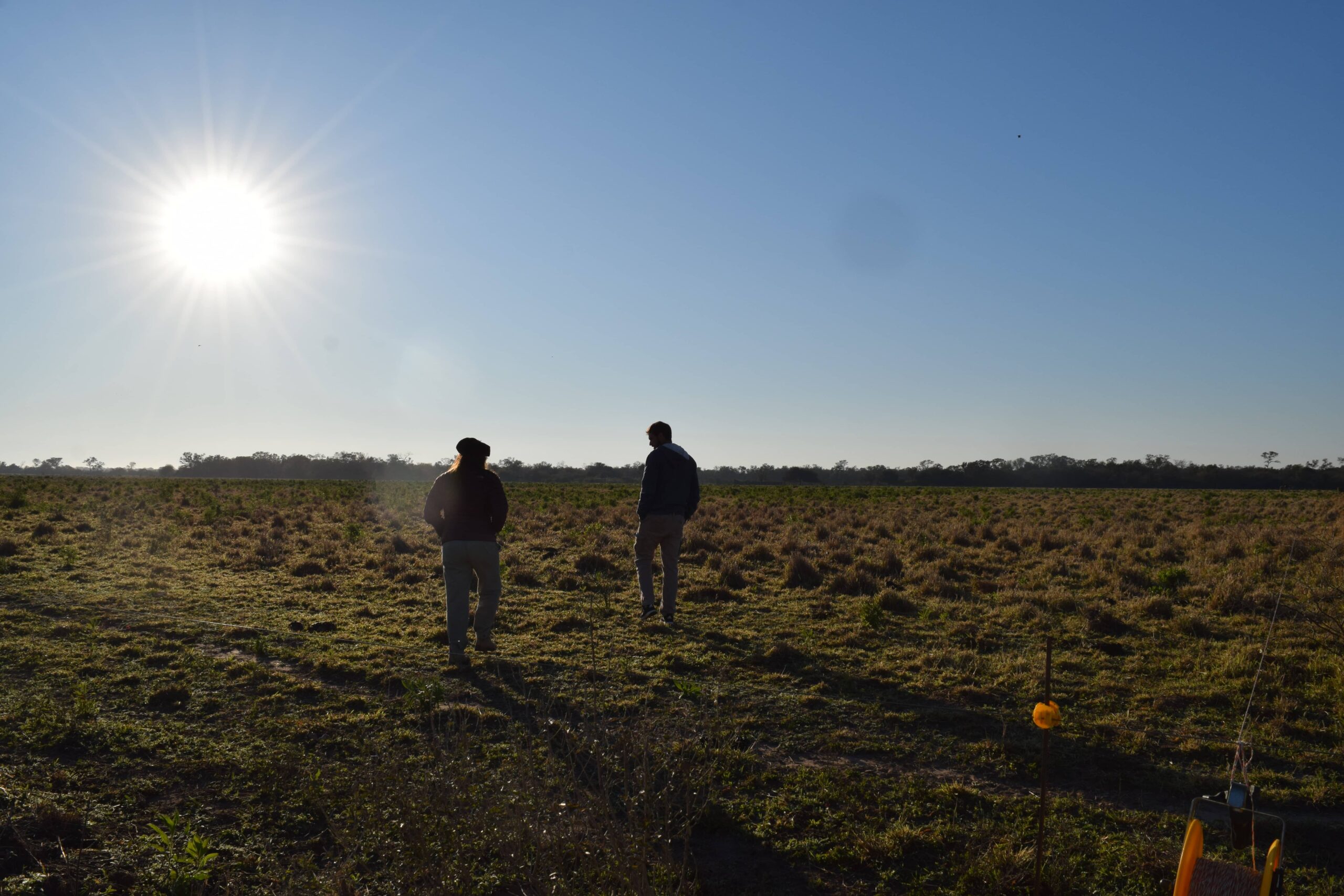
In one of Latin America's most highly pressured ecosystems, Los Tres Quebrachos poses a key question:
What if producing simply meant learning to work with nature rather than replacing it?