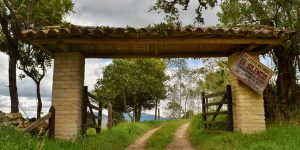
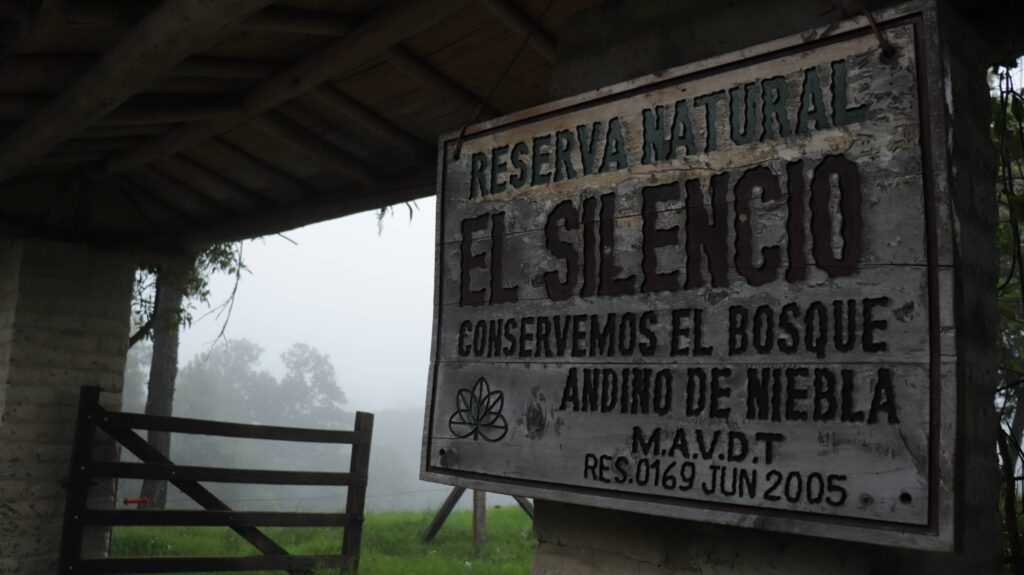
In the mountains of Cundinamarca, a nature reserve demonstrates that producing milk, restoring ecosystems, and empowering female leadership can all be part of a single system. This is El Silencio, a case study that redefines the relationship between livestock ranching and regeneration in the high-altitude Colombian tropics.

Location: San Francisco, Cundinamarca, Colombia

Ecosystem: Andean and sub-Andean forest

Precipitation: 3,000 mm

Climate: High rainfall, steep slopes, high microclimatic variability

Structural risk: Soil degradation due to conventional hillside livestock ranching

Core focus: Ecological regeneration with women's leadership and autonomy
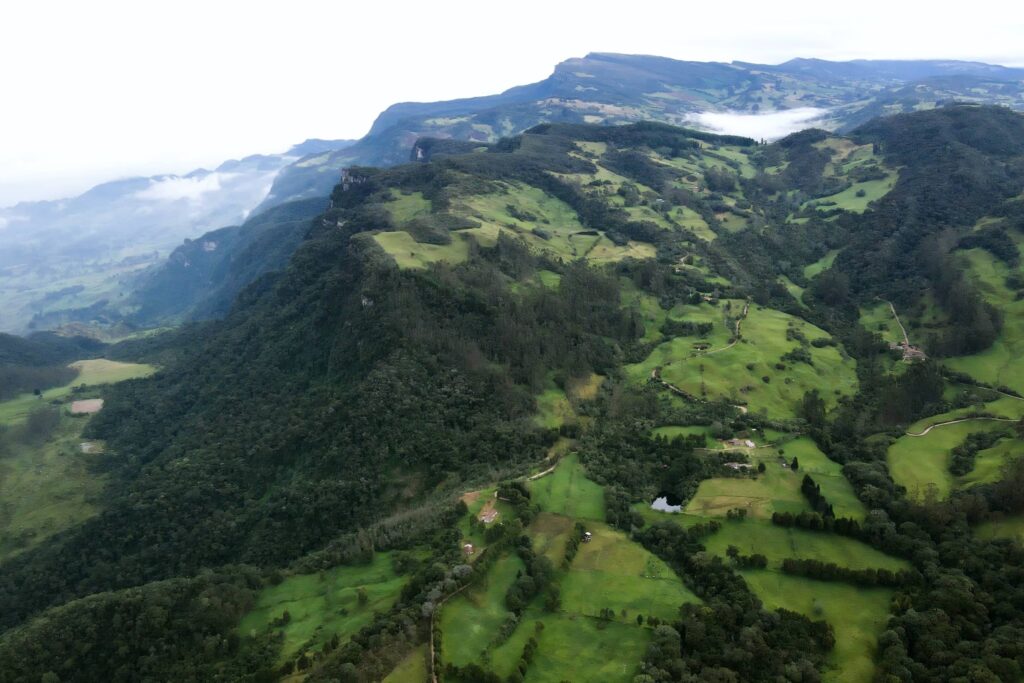
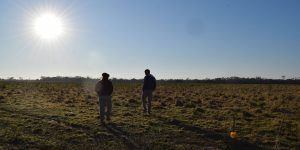
In the rural district (vereda) of La Laja, in San Francisco (Cundinamarca), the landscape unfolds amidst mist, slopes, and relicts of the Andean forest. There, at an altitude of approximately 1,800 meters and with over 3,000 mm of annual rainfall, the El Silencio Nature Reserve has become a living laboratory of transition: from conventional livestock ranching to a regenerative model that currently integrates production, conservation, and community.
The story did not begin this way. For decades, the farm replicated the region's dominant pattern: open pastures, the use of external inputs, and pressure on fragile hillside soils. The turning point arrived under the management of Claudia Durana, who spearheaded a progressive transformation based on a simple question: how do we produce without degrading?
From soil to the regenerative landscape
Today, over half of the property is dedicated to conservation and ecological restoration. On the remainder, livestock ranching was redesigned under agroecological principles, integrating trees, live fences, and planned rotations that enable the recovery of soil and water functionality.
The shift has been not only ecological but structural. Since 2019, the farm has completely eliminated the use of agrochemicals, relying instead on its own biofactory, composting, and forest microorganisms to nourish the pastures. This approach has made it possible to regenerate soils, reduce costs, and strengthen productive autonomy.
The system has also been designed around water. The construction of a reservoir, alongside practices aimed at capturing, infiltrating, and retaining moisture, responds to a crucial logic in territories with high climate variability: storing water when it is abundant to sustain production when it is scarce.
Productivity without dependency

Far from reducing production, the transition has made it more efficient. El Silencio maintains a daily dairy production of nearly 400 liters, with a herd of about 83 females, of which 42 to 43 cows are permanently milked.
This performance is explained by a logic that differs from the conventional approach. Instead of increasing inputs, the system optimizes ecological processes: living soils, diverse forages, and rotations that foster pasture regeneration.
The partial substitution of concentrated feeds with local forage, along with the elimination of fertilizers and pesticides, has reduced feeding costs by 30% to 40%, without compromising either productivity or animal health.
These results are also reflected in comparative indicators. High-Andean silvopastoral systems like El Silencio achieve up to three or four times more milk production per hectare than conventional systems in the region, while simultaneously reducing dependency on external inputs and increasing carbon sequestration.
Regenerating the soil, restoring life
The most profound change occurs beneath the surface. Monitoring conducted in recent years shows improvements in soil organic matter, porosity, and water retention capacity—key elements for sustaining productivity in contexts of climate variability.
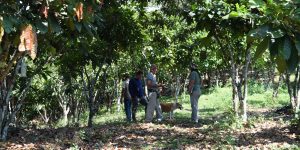
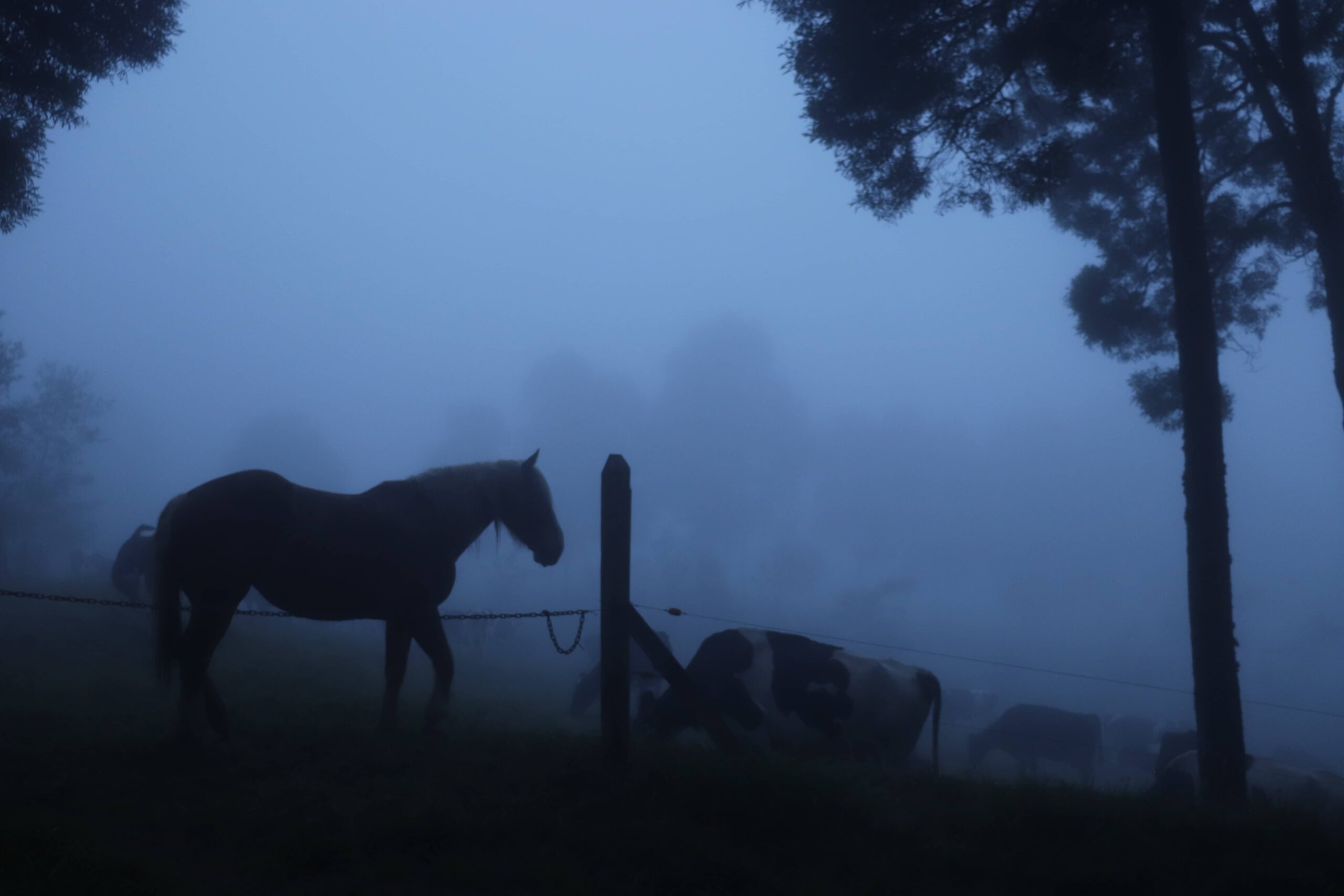
Above ground, the landscape has also changed. Pastures have been transformed into wooded systems with permanent cover, where production and biodiversity coexist. The return of birds, pollinators, and wildlife confirms that the farm functions today as an ecologically active system.
Beyond the indicators, this resilience has been put to the test. During recent drought episodes, the farm managed to maintain its productivity with minimal supplementation, confirming that regeneration not only improves the environment but also stabilizes the business.
A transformation led by women
El Silencio is not merely a productive story. It is also a space for social transformation.
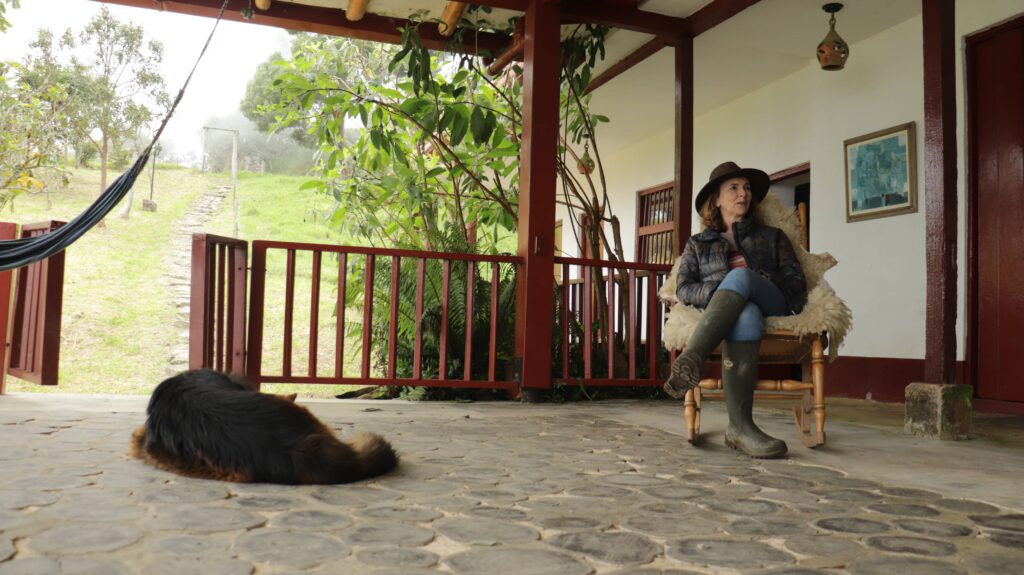
Claudia Durana's leadership has driven a model where women actively participate in management, production, and knowledge transfer. The farm serves as a hub for training, employment, and entrepreneurship, with initiatives that include artisanal production, environmental education, and ecotourism.
The results are clear: high levels of female participation, generational integration, and a collaborative network connecting producers, organizations, and academia. This approach has turned El Silencio into a meeting point for collective learning and community building.
A case that transcends the farm
What is happening at El Silencio is not an isolated experiment, but a signal of change in the rural landscape.
Its experience demonstrates that it is possible to produce in the high Colombian tropics without depending on external inputs, restoring ecosystems and improving profitability. It also evidences that the transition is not based on formulas, but on observation, adaptation, and coherence between the ecological and the economic.
Today, the farm combines dairy production, the restoration of over 60 hectares of forest, environmental education, and services such as tourism and carbon offsetting. It is, in essence, a multifunctional landscape where livestock ranching ceases to be a driver of degradation and becomes a tool for regeneration.