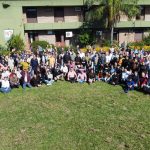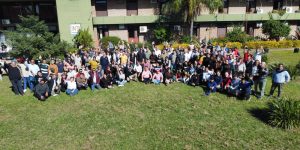
Over 160 technicians, researchers, and organizational leaders from the Gran Chaco gathered on May 21 and 22 at INTA Sáenz Peña (Chaco) to collectively build the foundations of an inter-institutional platform aimed at transforming the region's livestock model.
Sáenz Peña, Chaco, May 22, 2025 — The First PATChaco Gathering took place on May 21 and 22 at INTA Sáenz Peña, a convening that brought together institutions committed to the transition toward efficient, ecosystem-based livestock models in the Argentine Gran Chaco. The gathering aimed to strengthen the Technical Assistance Platform for Livestock Ranching in the Gran Chaco (PATChaco), an initiative driven by over 20 regional organizations seeking to combine knowledge, experiences, and territorial capacities to support productive transformation processes compatible with the conservation and restoration of Chaco ecosystems
"PATChaco emerges from the challenge of connecting this knowledge, strengthening it, and taking it to scale,"
stated Gabriel Seghezzo, president of FUNDAPAZ, who further highlighted the need to "establish a technical network capable of agreeing on basic criteria to carry out livestock production that allows thousands of people to improve their quality of life in the Gran Chaco."
Why PATChaco, and why now?
The Argentine Gran Chaco harbors over 43 million hectares of land used for livestock and is home to some 36,000 small-scale productive units. Concurrently, 14.4 million hectares of native forest have been lost since 1985. Against this backdrop, PATChaco proposes a paradigm shift: transitioning from extractive, low-productivity models to efficient, ecosystem based livestock systems that restore biodiversity and strengthen the livelihoods of Chaco communities.
"In much of the Chaco, poor access to technology has led to low productive indices, low profitability, and conditions that drive rural outmigration. We believe PATChaco can help reverse this, dynamize access to knowledge, deploy locally proven technologies, and contribute to the development of clearer public policies and financing tools that enable the transformation of productive systems on a regional scale," highlighted Álvaro Penza, director of INTA's EEA Salta.
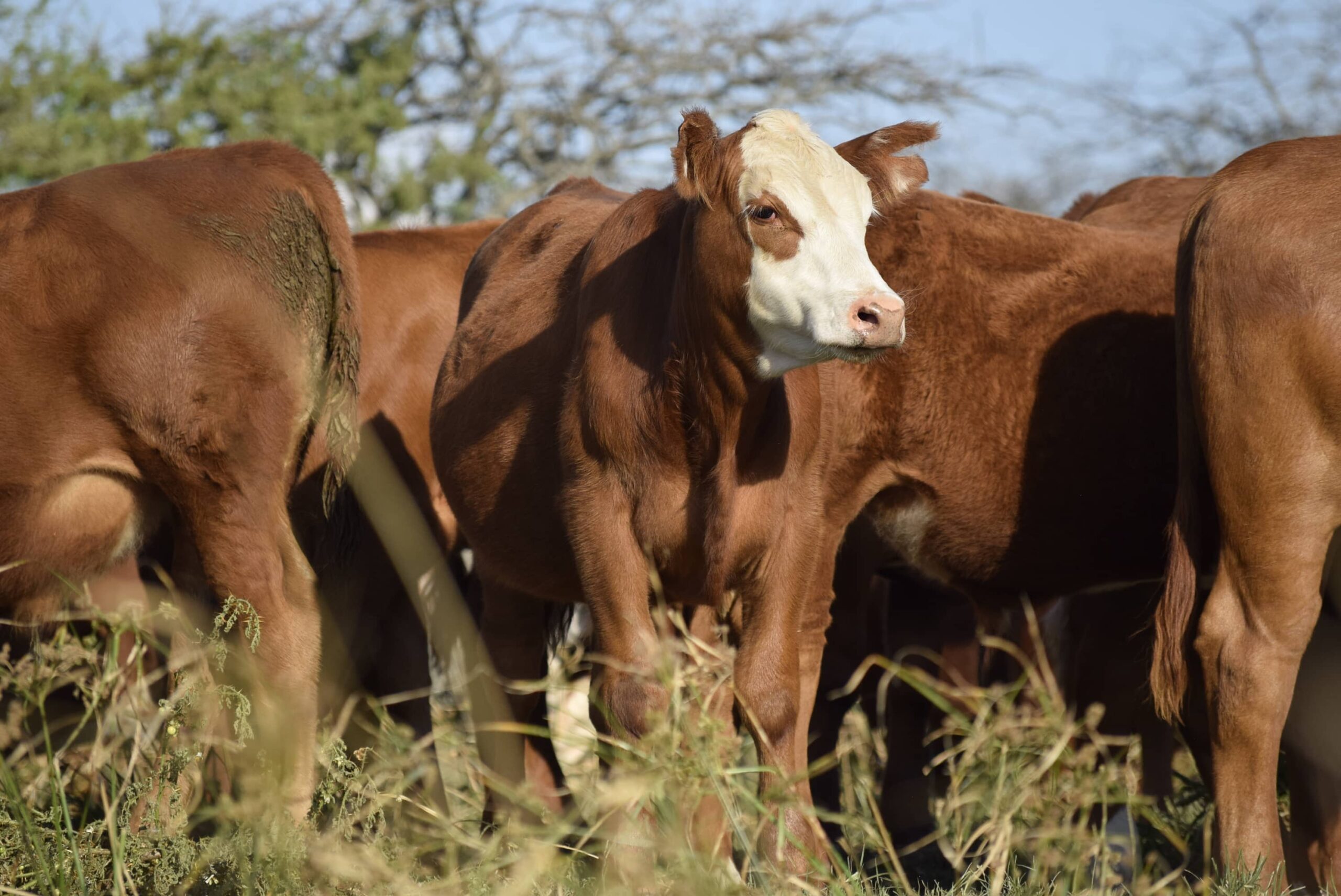
The platform fosters the coordination of professionals, technicians, and organizations with a strong track record in the region, recognizing that existing efforts require a shared framework to scale their impact. "PATChaco stems from the realization that there is a disconnect among many of the stakeholders working with producers, which limits synergies and the impact of technical assistance on livestock ranching," noted Marc Benhamou, project coordinator at The Nature Conservancy Argentina. "The platform seeks to build knowledge, systematize it, and pool advancements to pave the way for innovations that transform the landscape and generate prosperity, so they can be implemented across the entire territory."
"This event saw the participation of technicians from Bolivia and Paraguay interested in learning about the experiences taking place in the Argentine Chaco to bring them back to their own territories. Many of these practices and technologies were developed directly alongside actual producers and validated in the field,",
pointed out Agustín Noriega, founder and director of Fundación Gran Chaco.
The First PATChaco Gathering
The event convened over 160 professionals, producers, technical advisors, and local leaders from various provinces of the Argentine Gran Chaco, including Chaco, Salta, Santiago del Estero, Santa Fe, Tucumán, Córdoba, Formosa, and Misiones. Milagros Menna, leader at Solidaridad Argentina, asserted that "the experiences of those who make up PATChaco demonstrate that there is a model that allows for production while regenerating the Chaco ecosystem. The question now is how we scale it." She added, "PATChaco emerges as a concrete answer to how we scale these practices and ensure that more ranching families know there is an alternative to degradation: efficient, ecosystem-based livestock ranching." Throughout the two days, the high level of participation and exchange among attendees was evident, in a space permeated by enthusiasm and high expectations regarding the platform's potential. The gathering represented a starting point to consolidate a network that can continue to grow and expand its impact across the entire Chaco ecoregion. Furthermore, progress was made in defining the five strategic transitions sought:
- Technological.
- Technical-Institutional.
- Ecological.
- Policy and Institutional.
- Commercial and Financial.
The gathering also featured the participation of Oscar Pablo Dudik, the current Minister of Production and Sustainable Economic Development for the Chaco province, who signed a letter of intent to join the platform alongside all the organizations. During his intervention, he emphasized the value of creating PATChaco as a tool to transform regional livestock ranching, improve the efficiency of productive systems, and generate greater development opportunities for Gran Chaco communities.
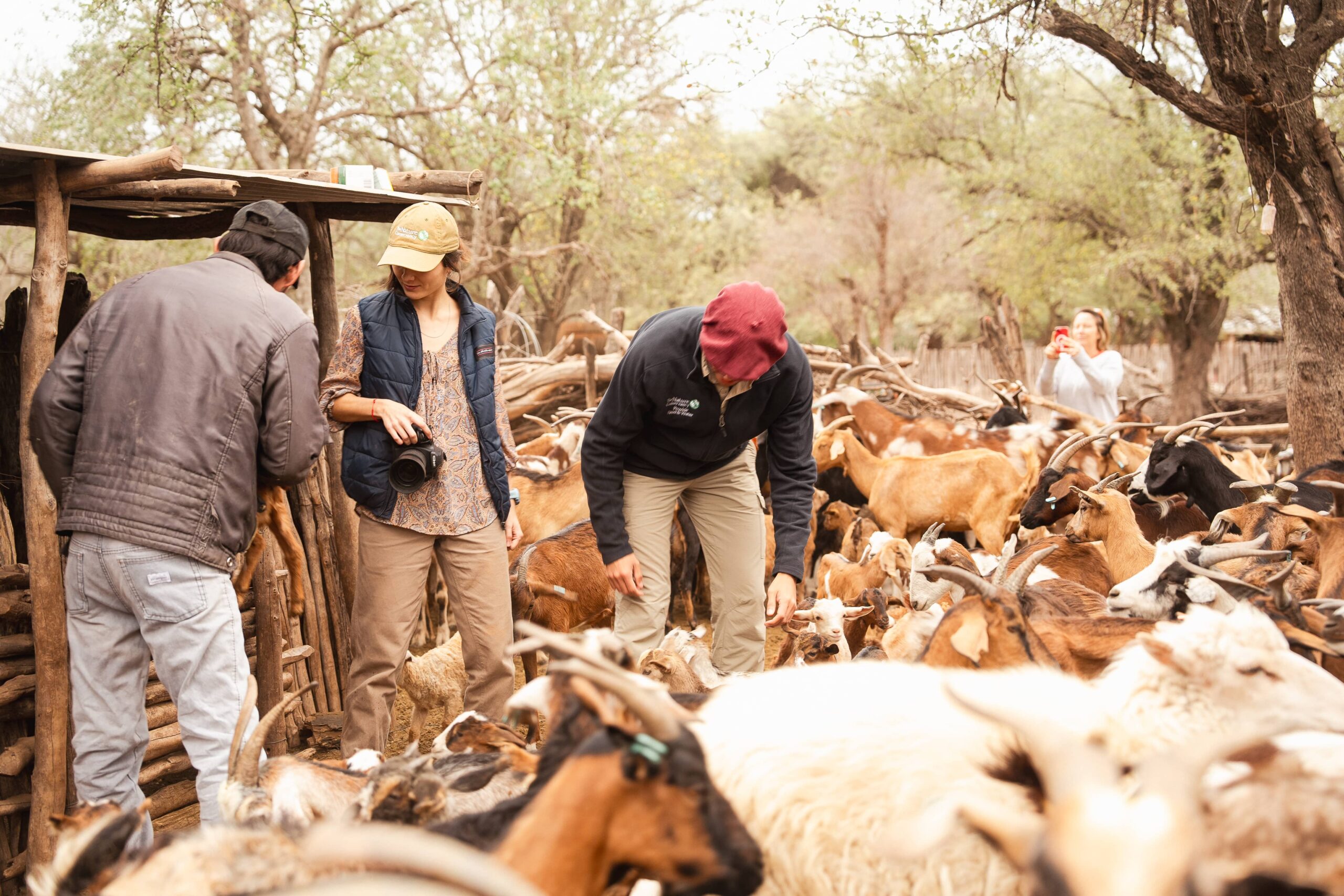
The Way Forward
Building on the agreements forged in Sáenz Peña, PATChaco is steering toward an efficient, ecosystem-based transformation of the Chaco landscape that requires productive systems to scale upward from grassroots territorial work and community rootedness.
This entails supporting productive transitions that elevate biodiversity as the expression of healthy ecosystems, restore key ecological functions, and build local capacities.
This transformation is built upon daily territorial work, supporting each family in their decisions, facilitating the adoption of efficient practices, and strengthening the active presence of technical teams.
The platform aims to reach 2026 with a presence in 8 provinces, 10 universities, and a network of 400 operational technicians. By 2035, the horizon is to reach 40,000 producers across the Chaco, with 43 million hectares transitioning toward efficient, ecosystem-based livestock models.
About PATChaco:
PATChaco is an inter-institutional and transdisciplinary platform that drives efficient and regenerative livestock systems in the Gran Chaco. It brings together organizations, technicians, and institutions from eight Argentine provinces to scale practices that integrate productivity, conservation, and ecosystem regeneration. Participants include INTA, The Nature Conservancy (TNC) Argentina and its Future Landscapes program, Fundapaz, Solidaridad, Regenoa, UNSa, Fundación Gran Chaco, Ingeniería Sin Fronteras, FSC Argentina, and other institutions, forming an open network that continues to welcome new stakeholders across the Chaco territory.