- Regenerative agriculture and livestock ranching took center stage at COP16 during various forums discussing solutions to the climate crisis.
Between October 21 and November 1, Cali hosted COP16 (Conference of the Parties to the Convention on Biological Diversity). This global convening, featuring leaders, scientists, and key stakeholders, focused on finding integrative solutions for biodiversity conservation, encompassing increasingly strategic sectors like the agrifood industry.
At Future Landscapes, we had the opportunity to participate and spearhead multiple activities centered on the nexus of ecosystem regeneration, biodiversity conservation, and the transition toward regenerative agriculture and livestock ranching.
Zero Deforestation Agreement: A Commitment to the Future of Our Forests
On October 25, Future Landscapes participated as the Secretariat of the Zero Deforestation Agreement for the meat value chain. Alongside partner organizations, we led the "Multi-stakeholder Platforms" panel—a strategy aimed at conserving biodiversity and curbing deforestation through a zero-deforestation commitment from the livestock sector. This cross-sectoral agreement, backed by public sector representatives, corporations, and communities, strengthens policies and programs safeguarding Colombian forests while driving sustainable agricultural practices.
Nourishing the Future: An Alliance for Regenerative and Low-Emission Agriculture
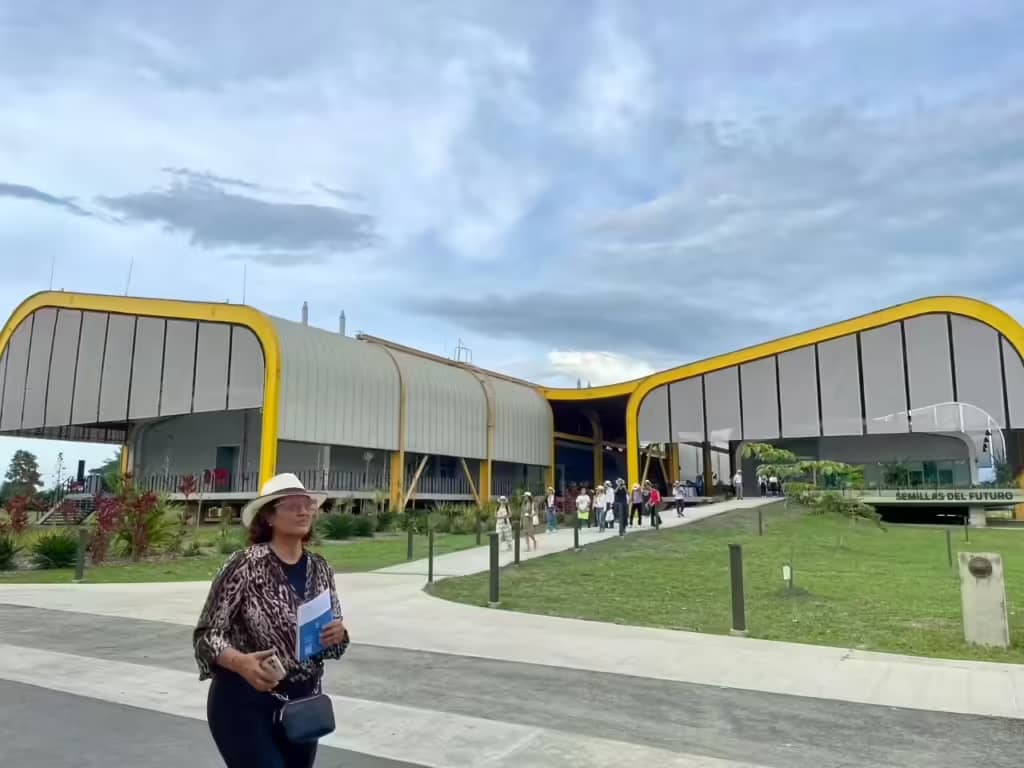
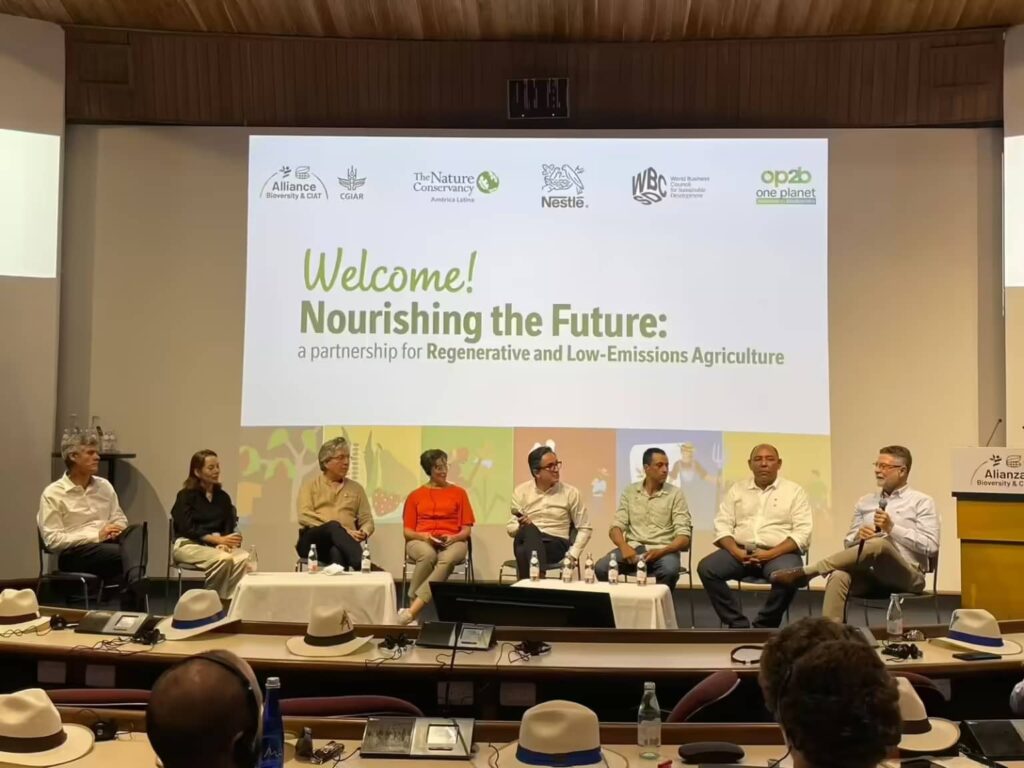
On October 26, in collaboration with CIAT (International Center for Tropical Agriculture) and Nestlé Colombia, an event focusing on regenerative agriculture and livestock was held.
The day kicked off with a visit to CIAT's Future Seeds genebank. Housing over 66,000 essential crop varieties, this genebank plays a pivotal role in advancing food security and the resilience of agricultural systems, safeguarding genetic diversity, and building adaptive capacity against climate shocks.
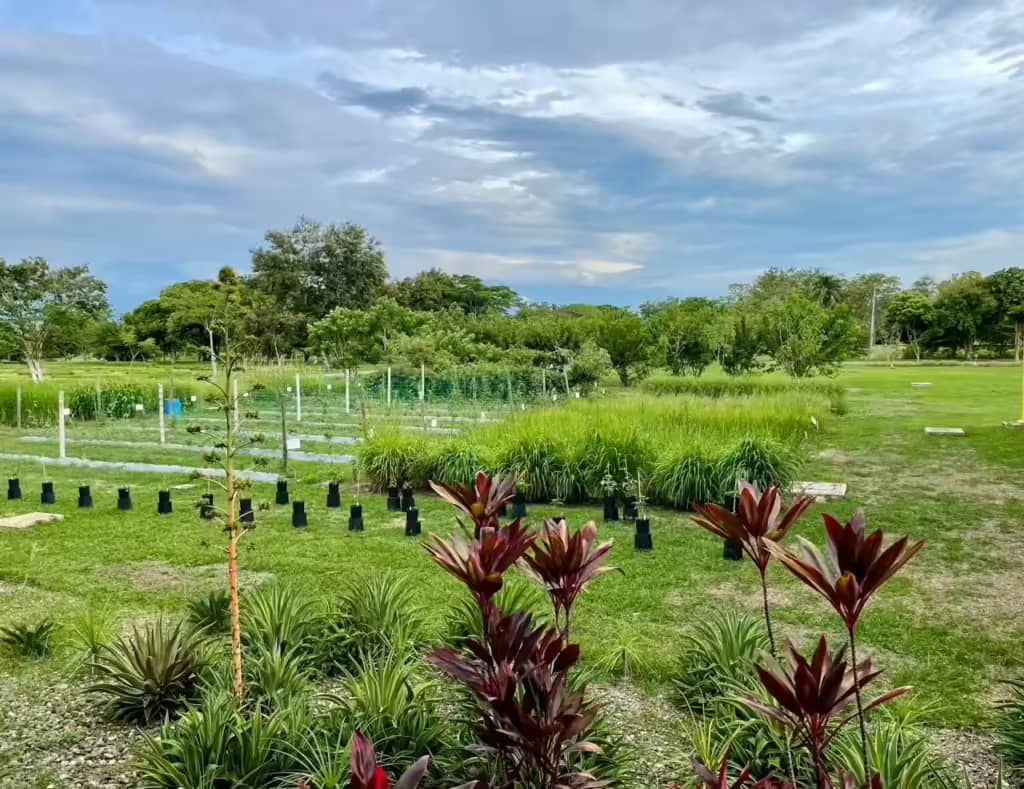
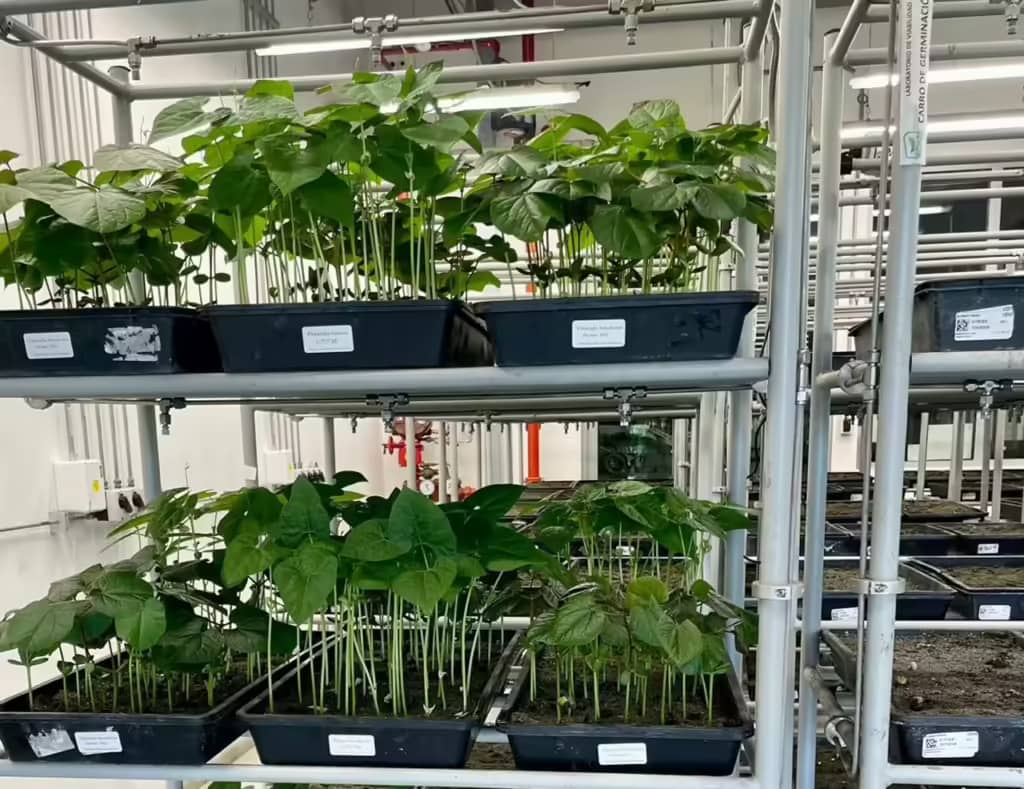
Photos: Mariana Jaramillo Thomas, The Nature Conservancy
Subsequently, a roundtable dialogue took place among coffee, dairy, and sugarcane producers alongside Laurent Freixe, Global CEO of Nestlé; Felipe González Bustamante, President of Nestlé Colombia; Marcela Quintero, Associate Director General of Research Strategy and Innovation at CIAT; and Mauricio Castro Schmitz, Director of Regenerative Agriculture and Livestock for Latin America at The Nature Conservancy. They outlined the challenges and opportunities of transitioning toward sustainable principles.
Carlos Molina, from the El Hatico Nature Reserve, emphasized:
"It is definitely not enough just to produce; we have an obligation to save the planet."
Tours of the El Hatico Nature Reserve: A Model for Regenerative Agriculture and Livestock
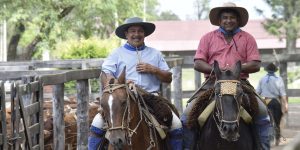
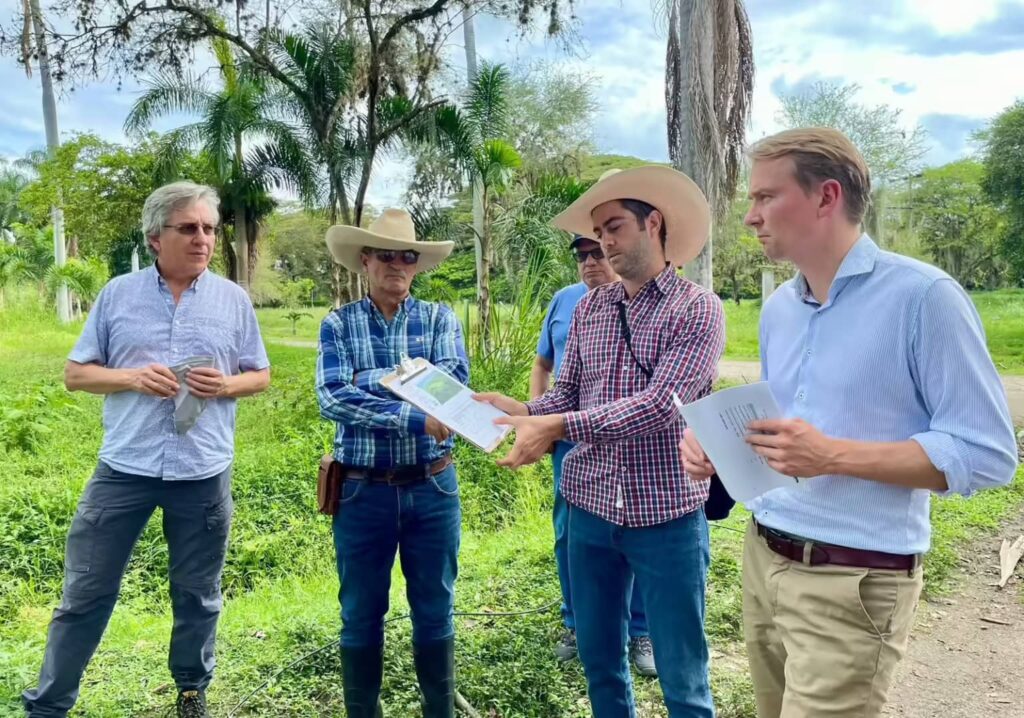
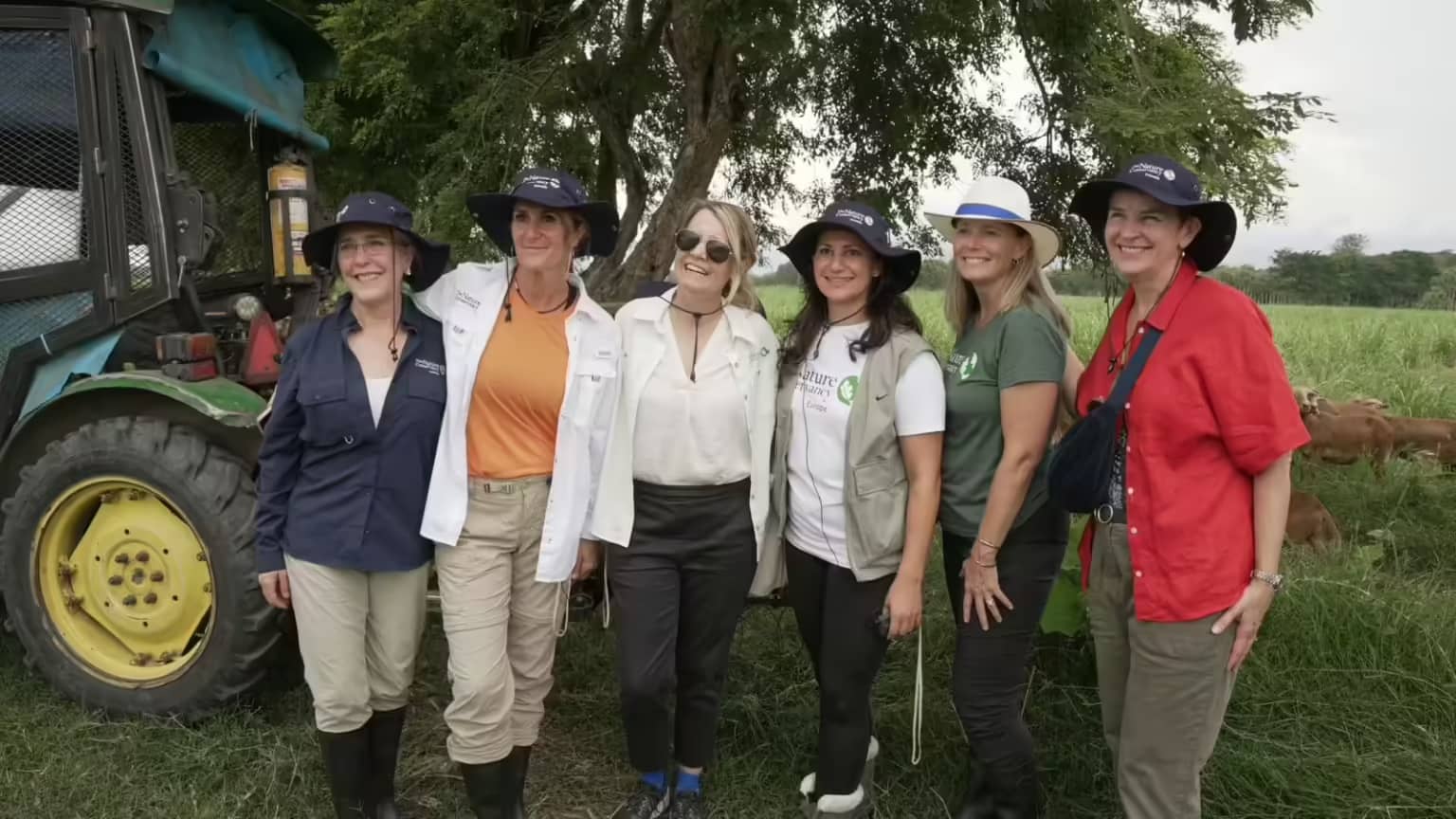
On October 27 and 28, The Nature Conservancy led field visits to the El Hatico Nature Reserve for a firsthand look at a successful model integrating silvopastoral and agroforestry systems, agroecological restoration, forest conservation, and the agroecological production of sugarcane.
The tours brought together national and international leaders keen on exploring regenerative approaches to agriculture and conservation, including representatives from the German Government, the UK Government, French Cooperation, local partners, and private sector leaders. Notable attendees included Jan-Niclas Gesenhues, Parliamentary State Secretary at the German Federal Ministry for the Environment (BMUV), and Martina Klumpp, German Ambassador to Colombia, who toured the facilities.
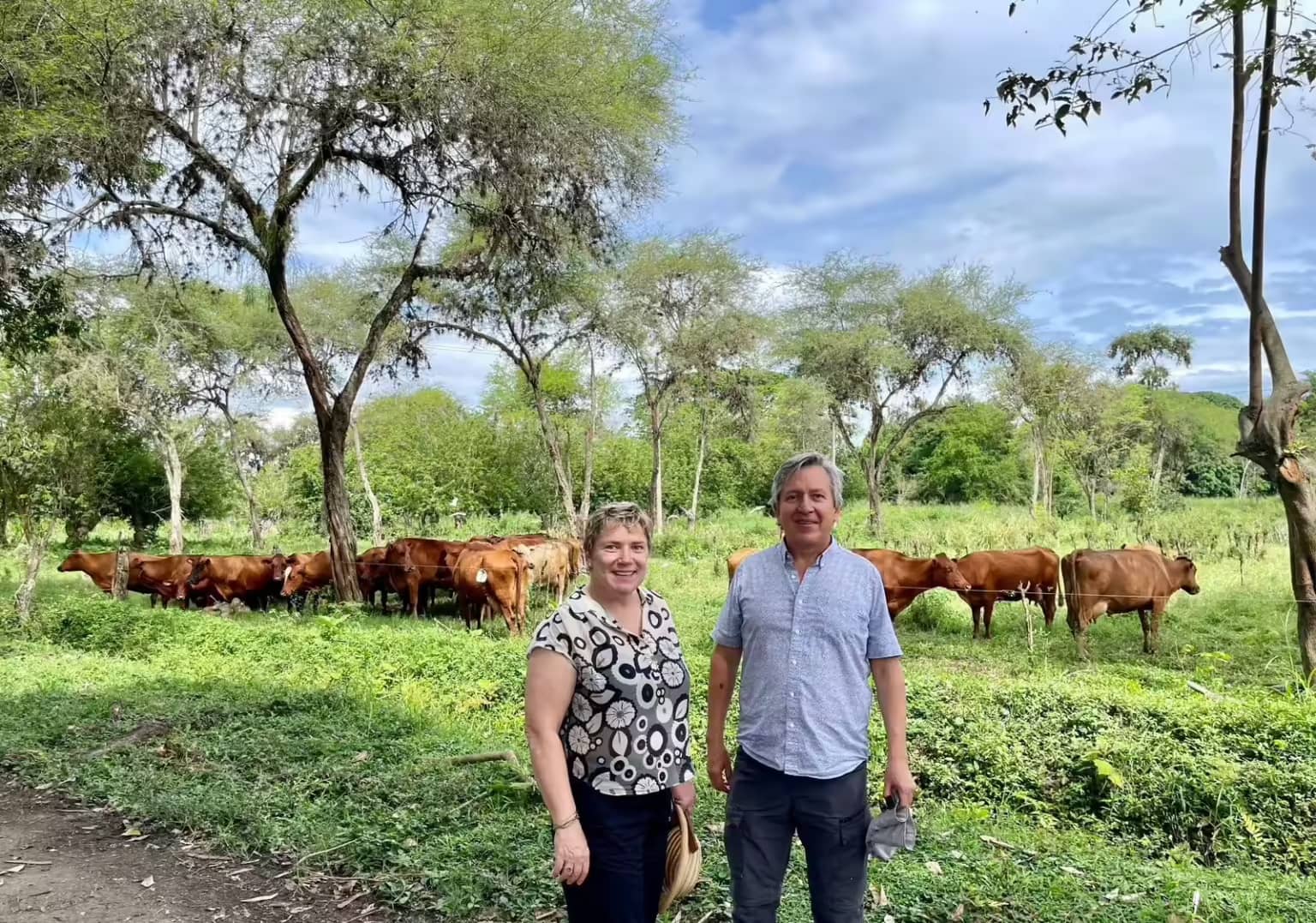
During this activity, The Nature Conservancy and the El Hatico Nature Reserve signed a Memorandum of Understanding (MoU) focused on strengthening capacity building and knowledge development—both essential for scaling conservation and sustainability initiatives across Colombia and Latin America.

On October 30, the panel "Aligning Biodiversity and Water Investments Across Food Value Chains" convened as a key forum to address the interconnectedness of biodiversity, water, and food systems within the context of the climate crisis. This platform gathered leaders and experts from diverse sectors who shared their insights on embedding these elements into an investment framework that prioritizes nature and climate resilience.
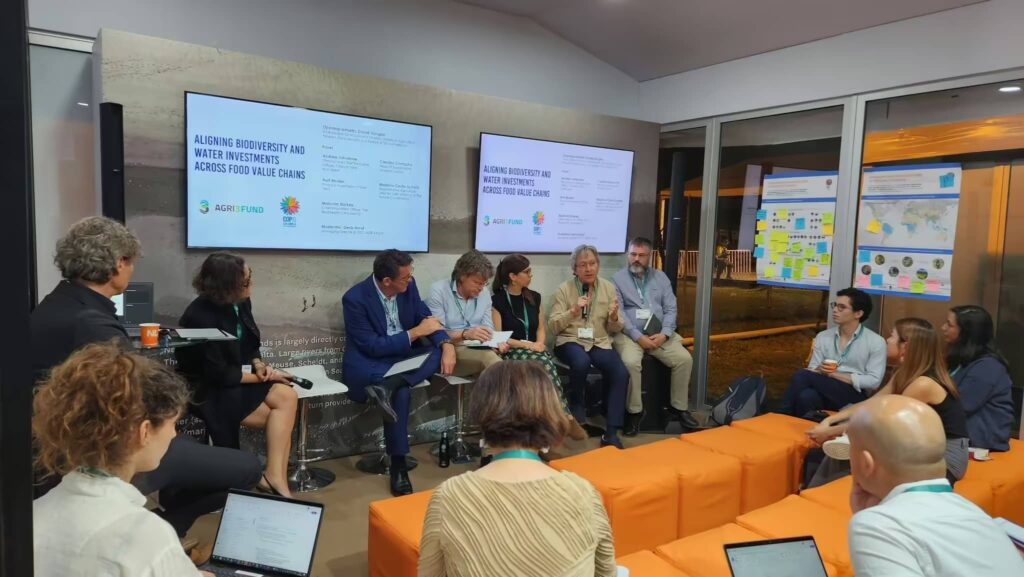
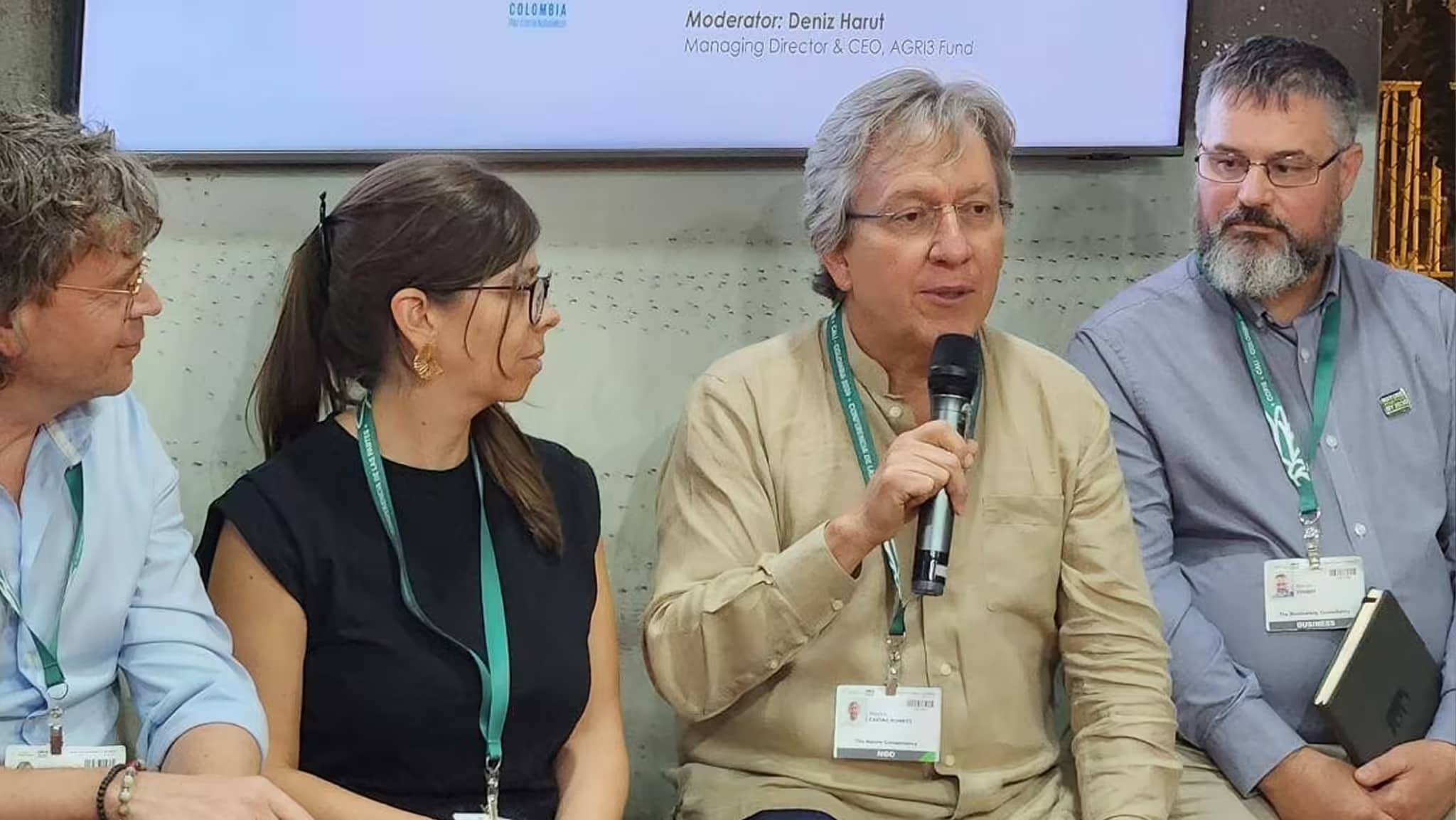
The discussion underscored the need to mobilize nature-based finance and highlighted the challenges of factoring natural risks into sustainable agriculture investment decisions. Furthermore, it emphasized the crucial role of public-private partnerships in fostering innovation and the urgency of accelerating financial solutions that benefit both ecosystems and rural communities.
Panelists included Mauricio Castro Schmitz, Director of Regenerative Agriculture at The Nature Conservancy (TNC); Donné Slangen, Vice Minister for Nature and Fisheries of the Netherlands; Deniz Harut, Managing Director of the AGRI3 Fund; Andrew Johnstone, CEO of Climate Fund Managers (CFM); Carolina Camacho, Head of Sustainability at Andean Cacao; Malcolm Starkey, Chief Innovation Officer at The Biodiversity Consultancy Ltd.; and Aart Mulder, Principal Investment Officer at FMO Investment Management.
Tours of the El Hatico Nature Reserve: A Model for Regenerative Agriculture and Livestock
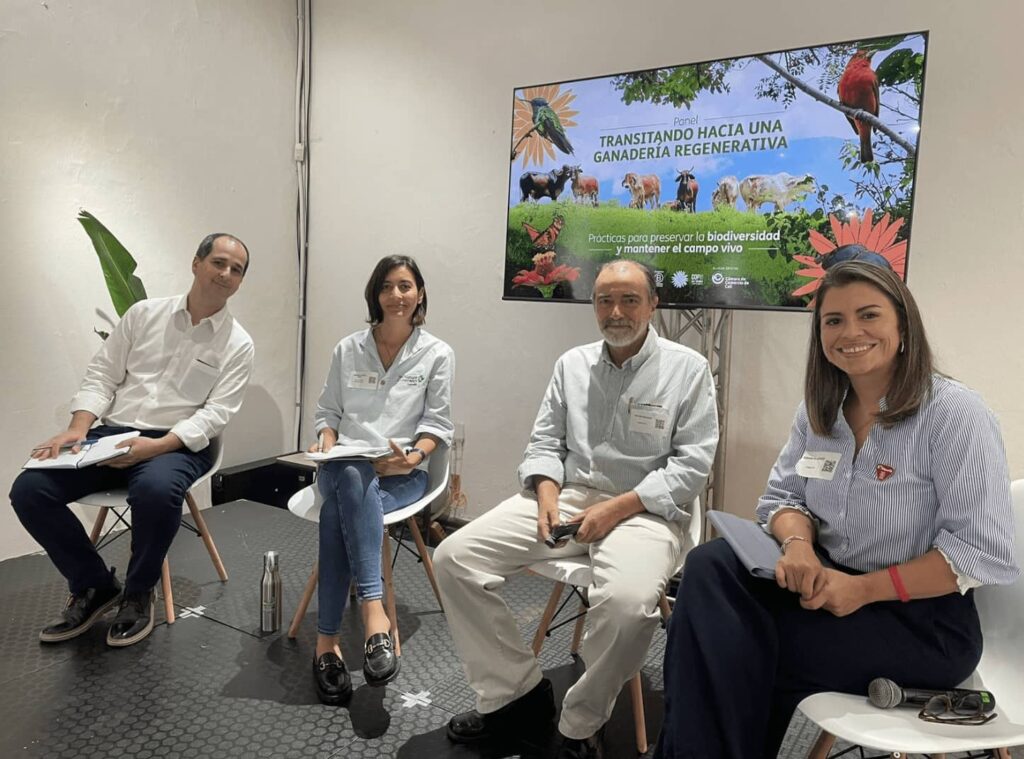
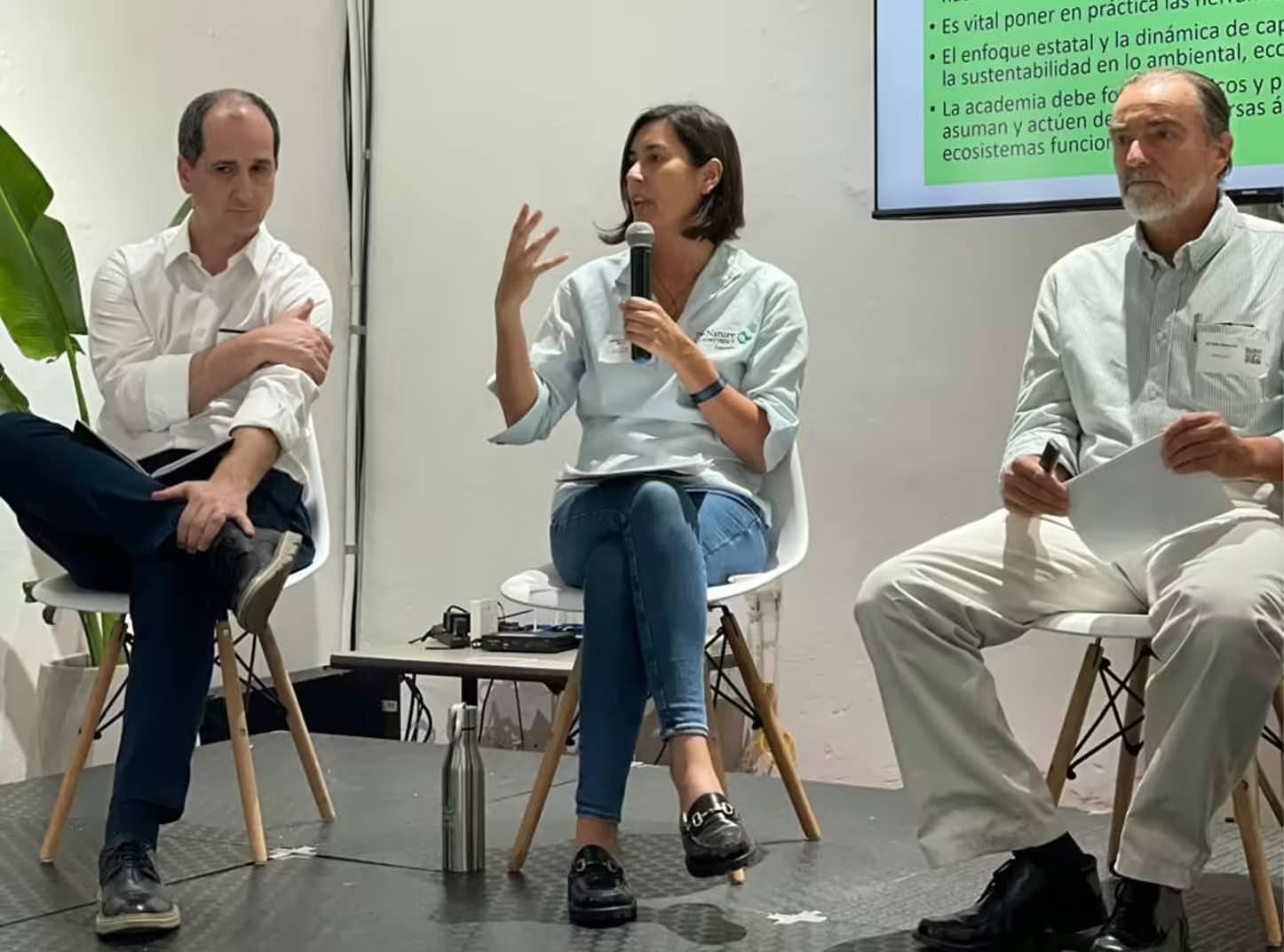
Also that day, Alquería led a panel highlighting its commitment to transforming the agrifood sector through sustainable practices that champion the circular economy and regeneration in livestock ranching.
América Astrid Melo, Future Landscapes Lead at TNC Colombia, underscored the importance of strengthening networks of demonstration farms and developing financial incentives to drive this transition.
"At Future Landscapes, we work so that producers discover it is possible to implement regenerative practices," stated América Melo.
Nature- and Climate-Positive Agriculture and Livestock
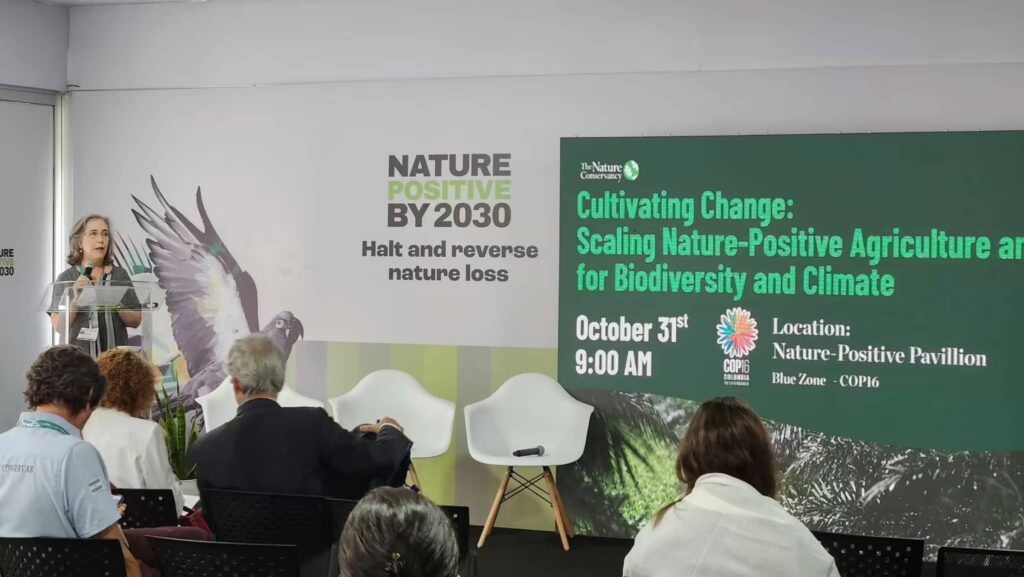
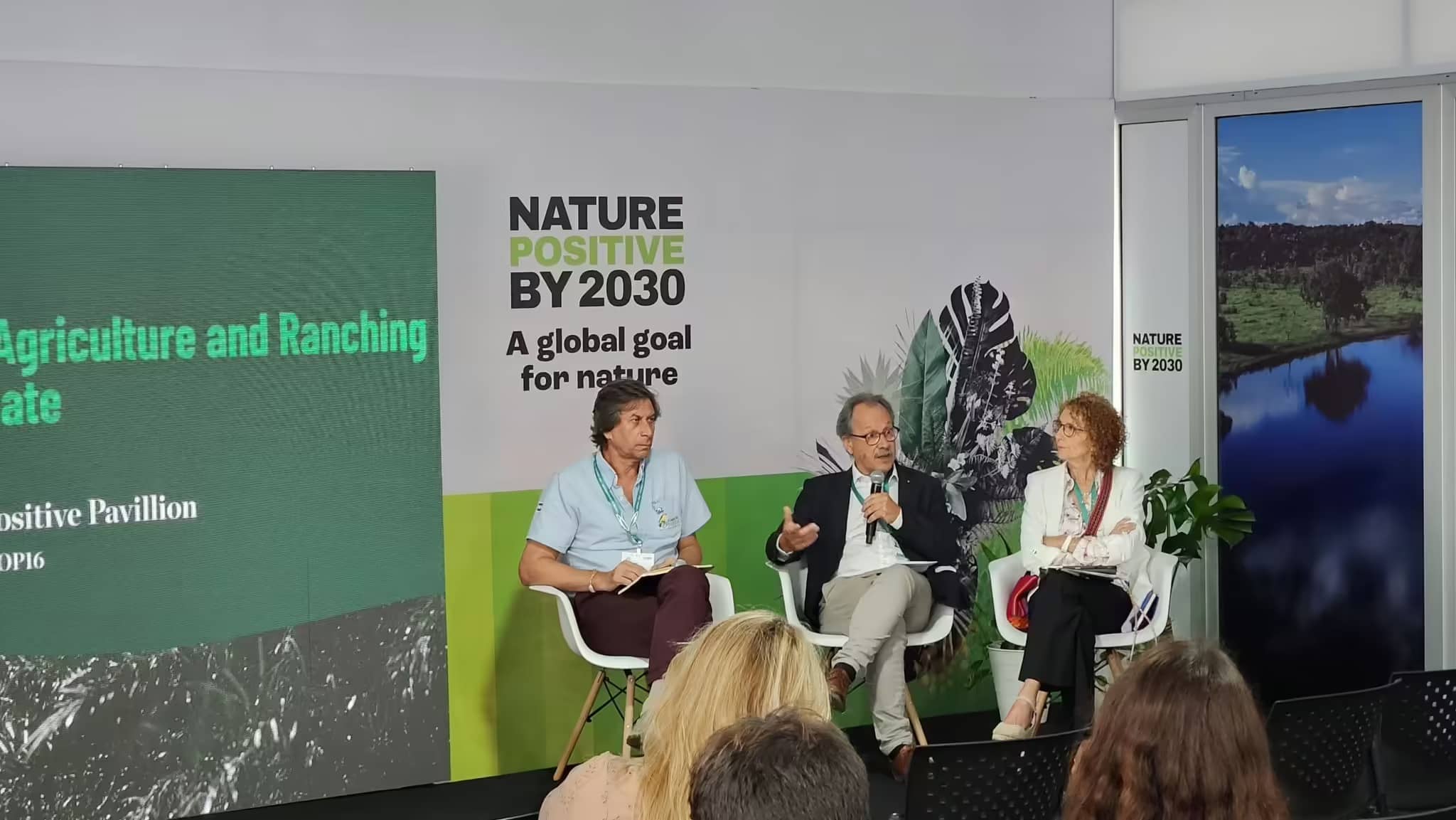
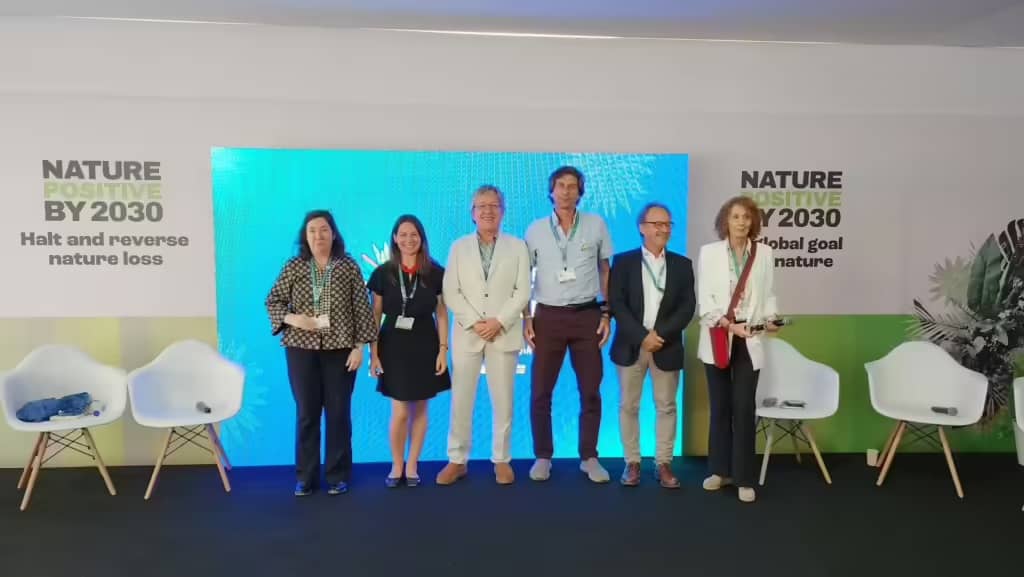
On October 31, The Nature Conservancy hosted the panel "Cultivating Change: Scaling Nature- and Climate-Positive Agriculture and Livestock," which convened experts and leaders to address the imperative of transforming agrifood systems toward nature- positive and regenerative models.
Paula Caballero, Director of The Nature Conservancy in Latin America, highlighted the relevance of regenerative agriculture in conserving biodiversity and responding to the climate crisis.
Nature- and Climate-Positive Agriculture and Livestock
Mauricio Castro Schmitz, TNC's Director of Regenerative Agriculture and Livestock, moderated the dialogue, emphasizing the need for effective public policies and cross-sectoral alliances to finance and spotlight initiatives that benefit both smallholder and large-scale producers.
Joining the panel were experts such as Hernán Casañas of BirdLife Argentina, Alicia Montalvo of CAF, Elke Steinmetz of the BMUV, Pascale Bonzom of IUCN, and Gerardo Evia, National Director of Biodiversity and Ecosystem Services for the Government of Uruguay.
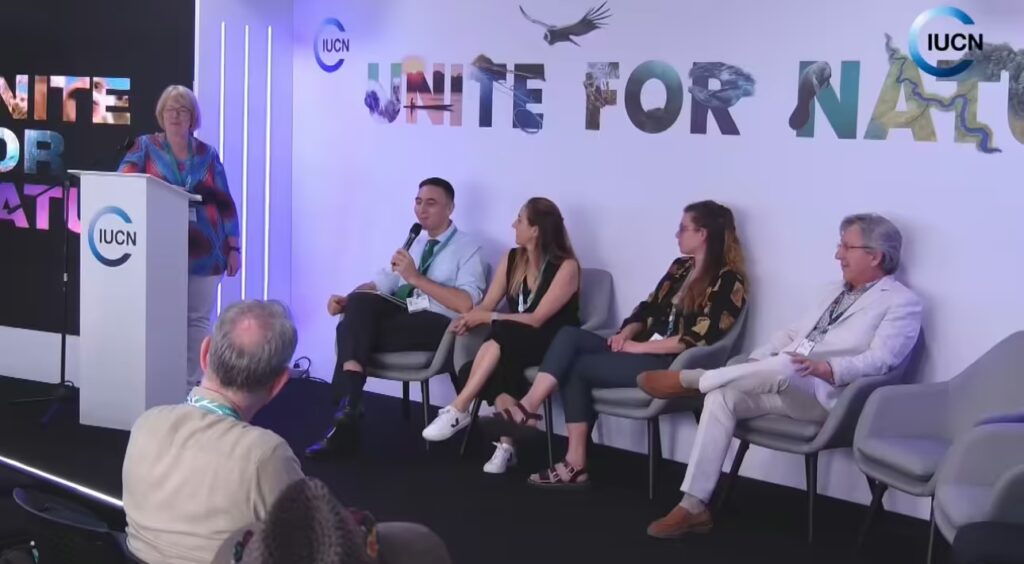
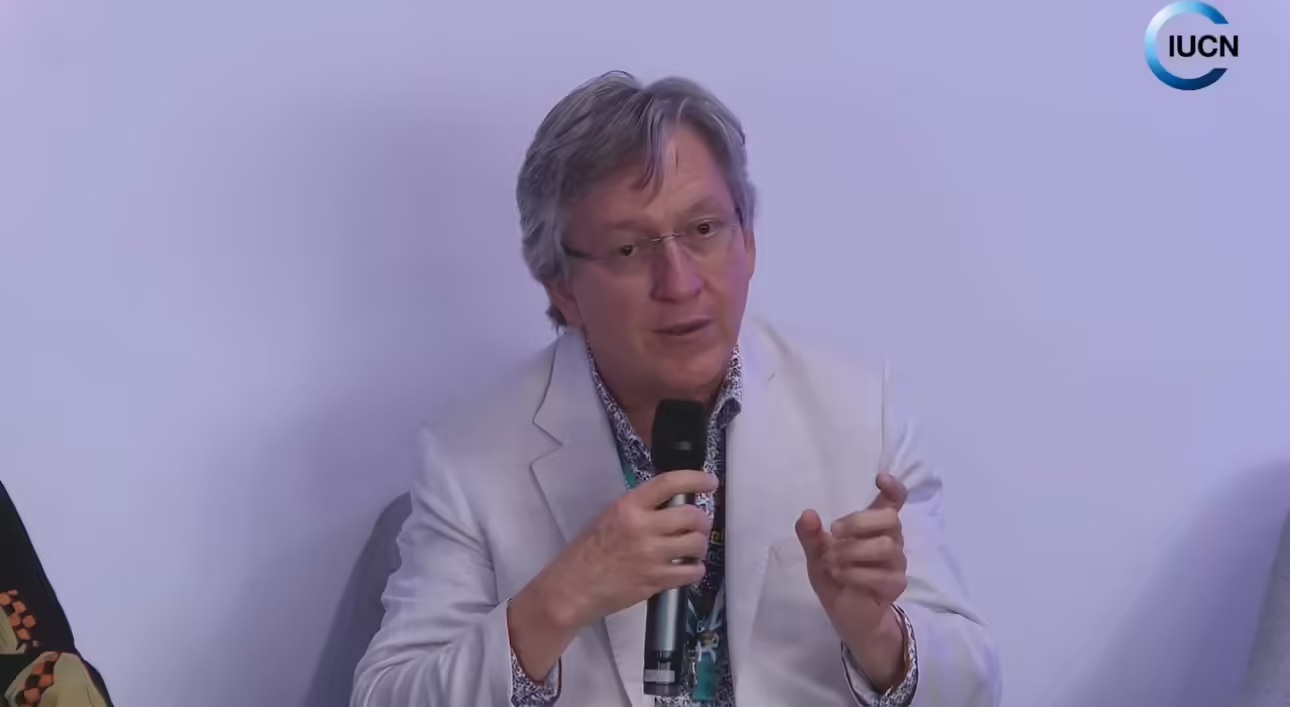
Grasslands: Why are they crucial for achieving global biodiversity goals?
This event, organized by the IUCN, underscored the need to protect grasslands against threats such as the expansion of intensive agricultural activities, positioning them as a cornerstone in global efforts to meet conservation and sustainability targets. The session highlighted the importance of these ecosystems for food security, climate change mitigation, and the resilience of rural communities.
Mauricio Castro Schmitz explained that grasslands not only harbor vast biodiversity but also play an essential role in carbon sequestration and water regulation, contributing to climate stability. Moreover, he highlighted how regenerative practices, such as holistic planned grazing, can significantly enhance soil health and increase its water retention capacity, benefiting both the ecosystems and the ranching communities that rely on them.
COP16 demonstrated how collaboration among the private sector, government, and communities can forge a pathway toward a regenerative future.
At Future Landscapes, we firmly believe in the transformative potential of Regenerative Agriculture and Livestock. Through principles and practices that restore our ecosystems, we build the resilience of ranching communities in Latin America and jointly forge a path toward a sustainable and equitable future.