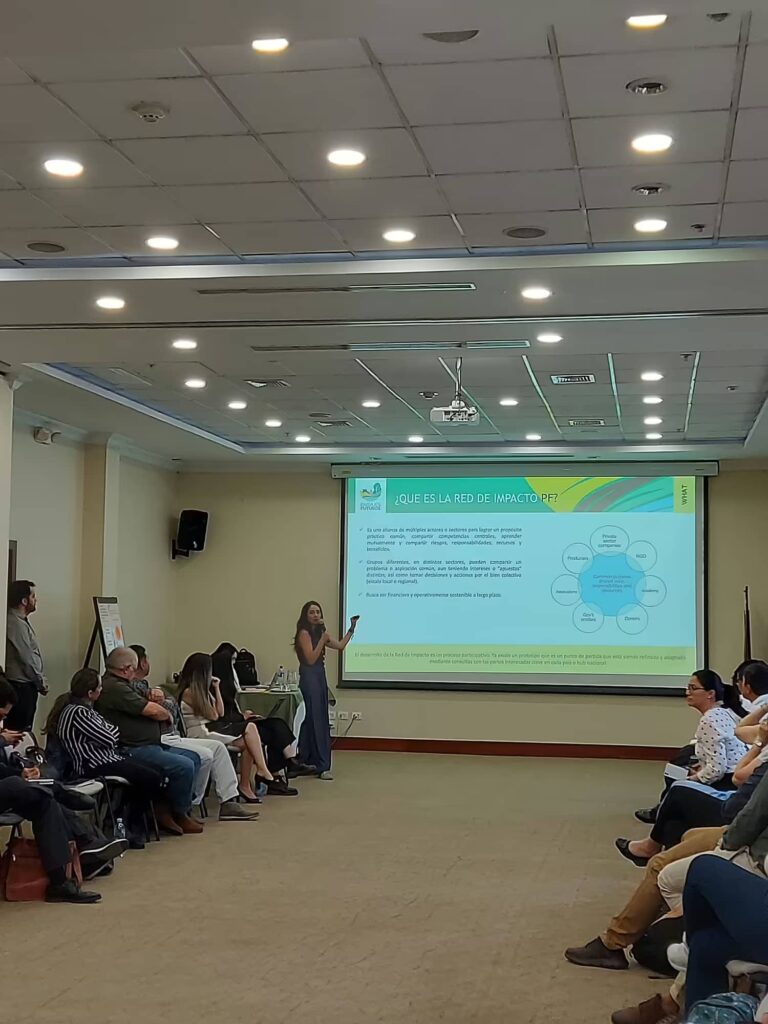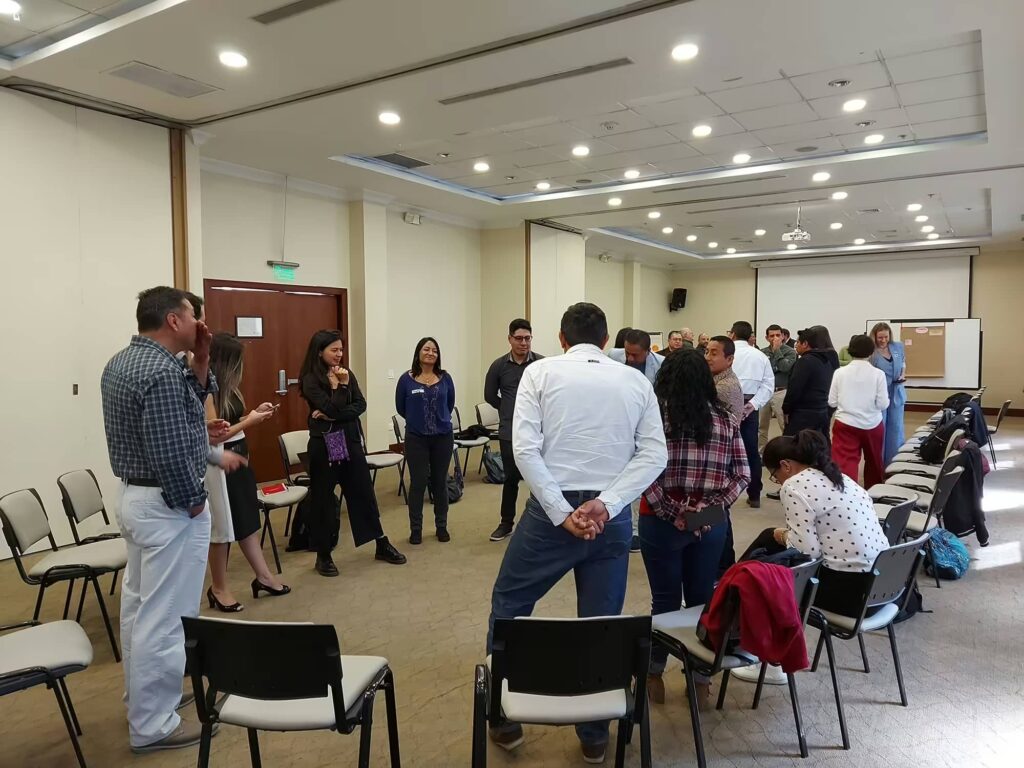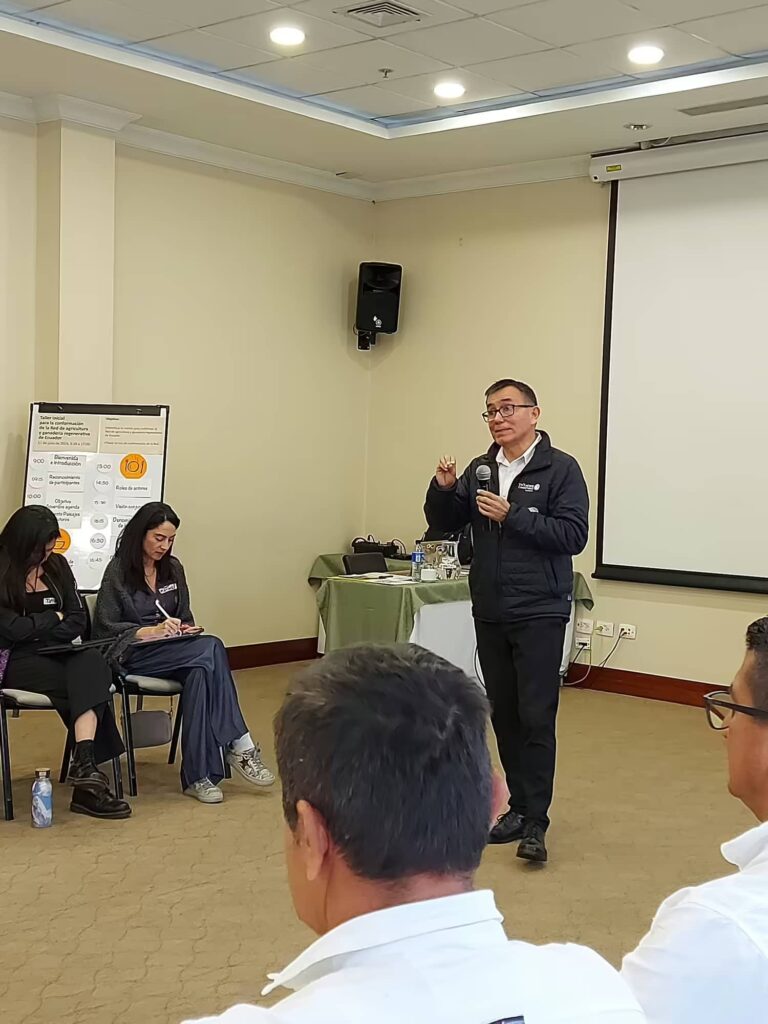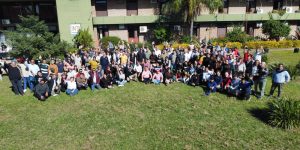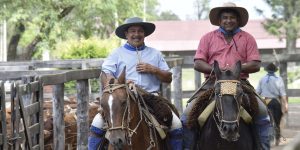
Regenerative agriculture is gaining momentum in Ecuador through initiatives such as the workshops driven by Future Landscapes.
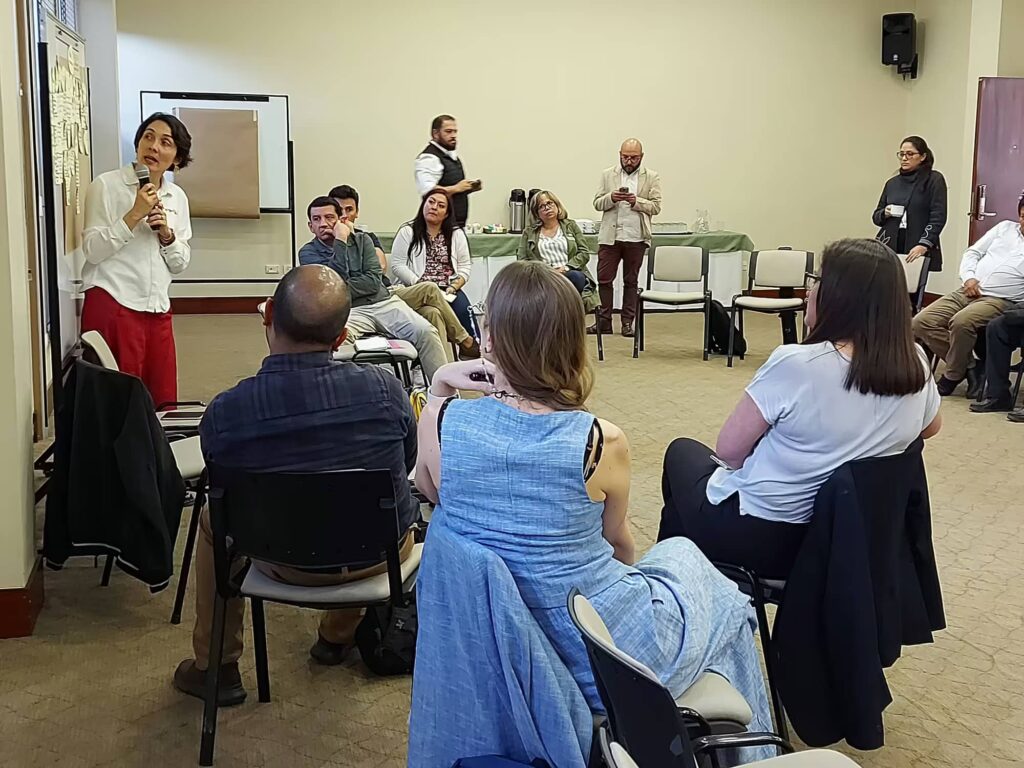
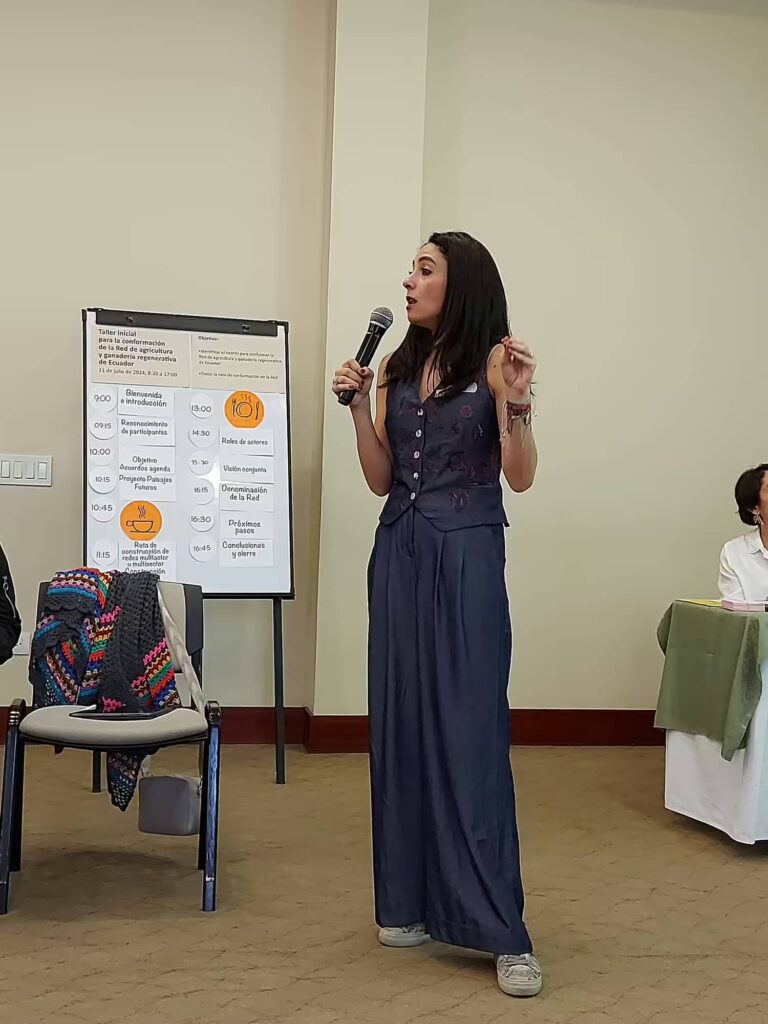
The convening brought together a diverse array of stakeholders, including cocoa and dairy producers from the Pichincha and Daule River Basin regions. It also featured associations such as the Union of Cocoa Peasant Organizations of Ecuador , the Pintag Agricultural Association, the Río Alambi Producers Association, and the Pre-association of Regenerative Producers of Ecuador. Further participants included the Universidad de las Américas, NGOs and cooperation agencies such as the Sustainable Landscapes Foundation and GIZ, alongside local partners including the Quito Water Fund, the Daule Basin Water Fund, the Pichincha Prefecture, the Ministry of Agriculture and Livestock, the Ministry of Environment, Water and Ecological Transition, the Cotopaxi Prefecture, and the National Association of Cocoa Exporters..
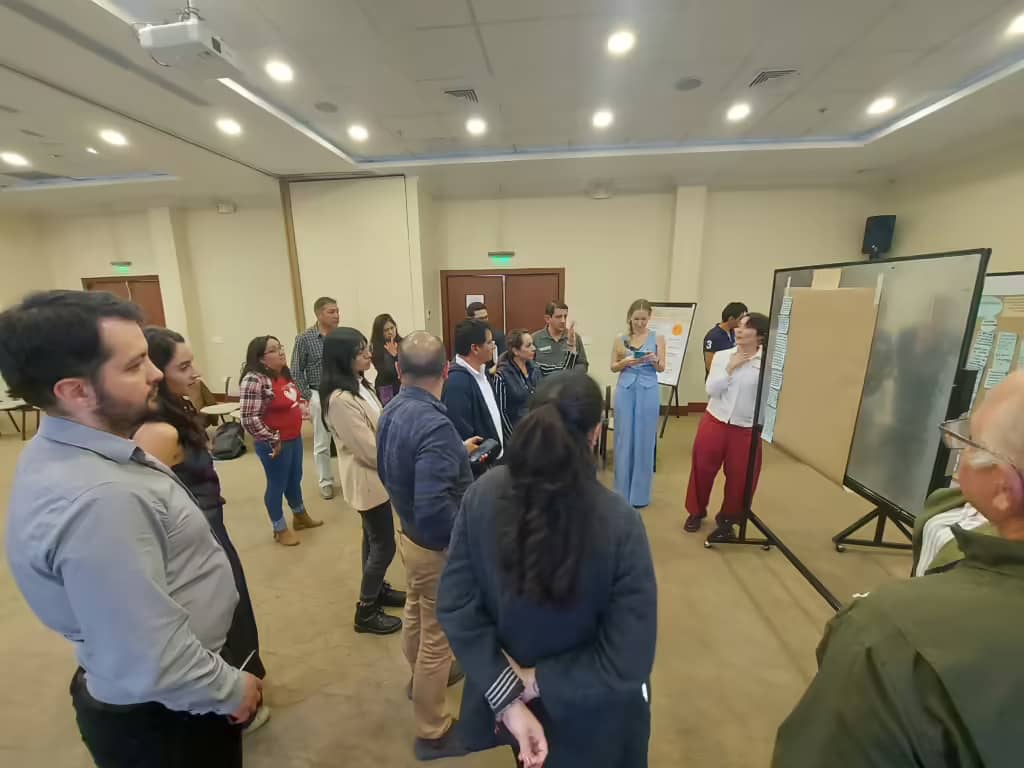
"At Future Landscapes, we are facilitating these spaces to align commitments and translate efforts into action, enabling us to drive regenerative agricultural production in Ecuador on a continuous and sustained basis."
– Claudio Sánchez, Future Landscapes Country Lead in Ecuador
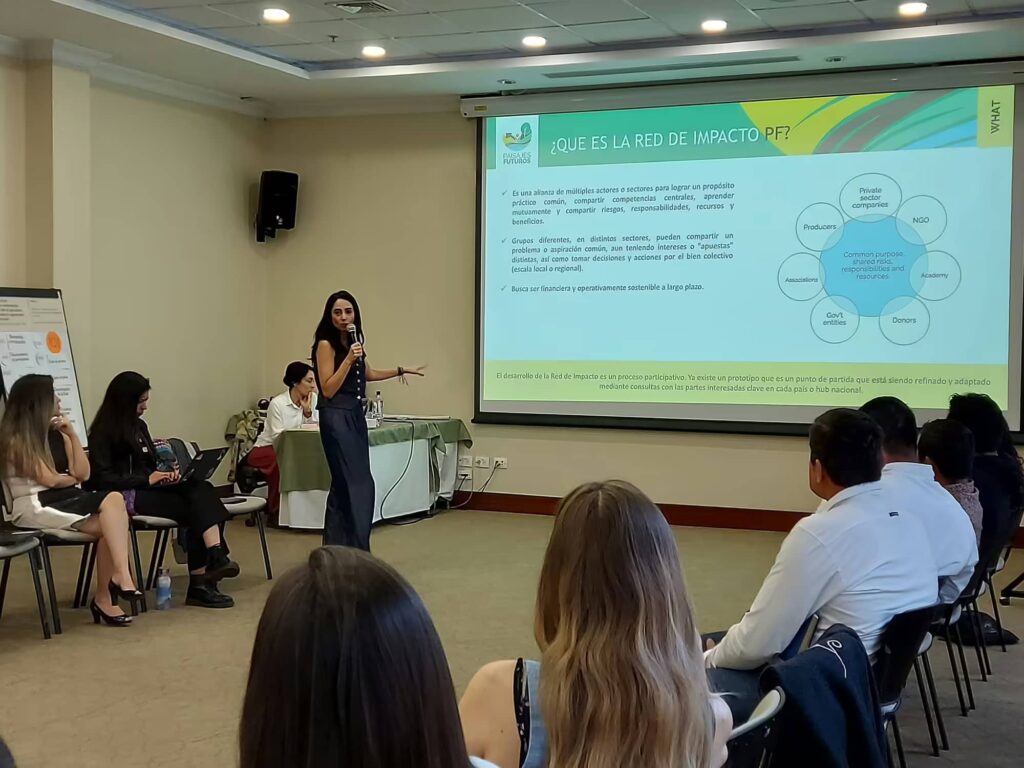
"Cross-institutional collaboration is essential to achieve Future Landscapes' goals, drive systemic transformation, and consolidate the national hubs of the regional Impact Network."
– Mariana Jaramillo Thomas, R2A Platform Manag
Key Opportunities Explored
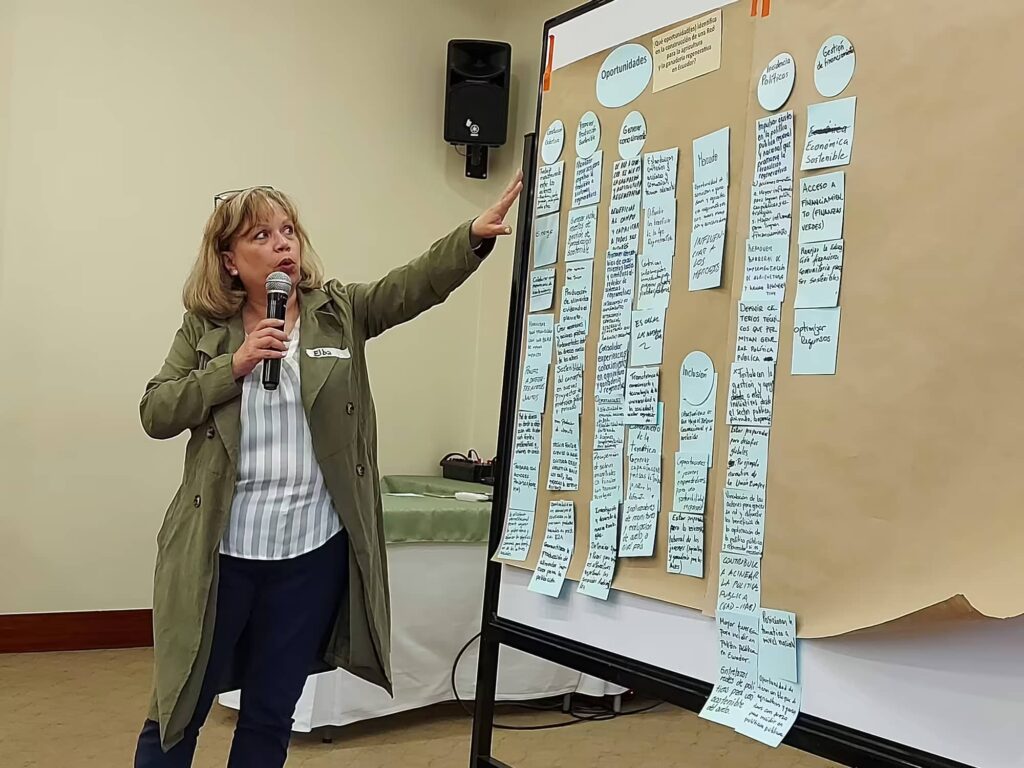
Among the opportunities collaboratively identified during the workshop, the following stand out:
- Collective Co-creation:
Convening farmers, researchers, policymakers, and other stakeholders to collaboratively design and implement regenerative principles and practices. - Knowledge Generation:
Disseminating the benefits of regenerative practices, providing capacity building, transferring knowledge from seasoned farmers, and reviving ancestral wisdom. - Shaping and Transforming Markets:
Shifting market dynamics toward regenerative products is essential. This entails creating demand, influencing consumer preferences, and connecting producers with buyers. - Policy Advocacy:
Advocating for supportive policies at the local, regional, and national levels is critical to incentivize financing and overcome barriers to scale - Inclusion and Generational Renewal:
Ensuring regenerative practices are accessible to a broader population, regardless of age or background. Empowering young farmers and promoting diversity strengthens the movement.