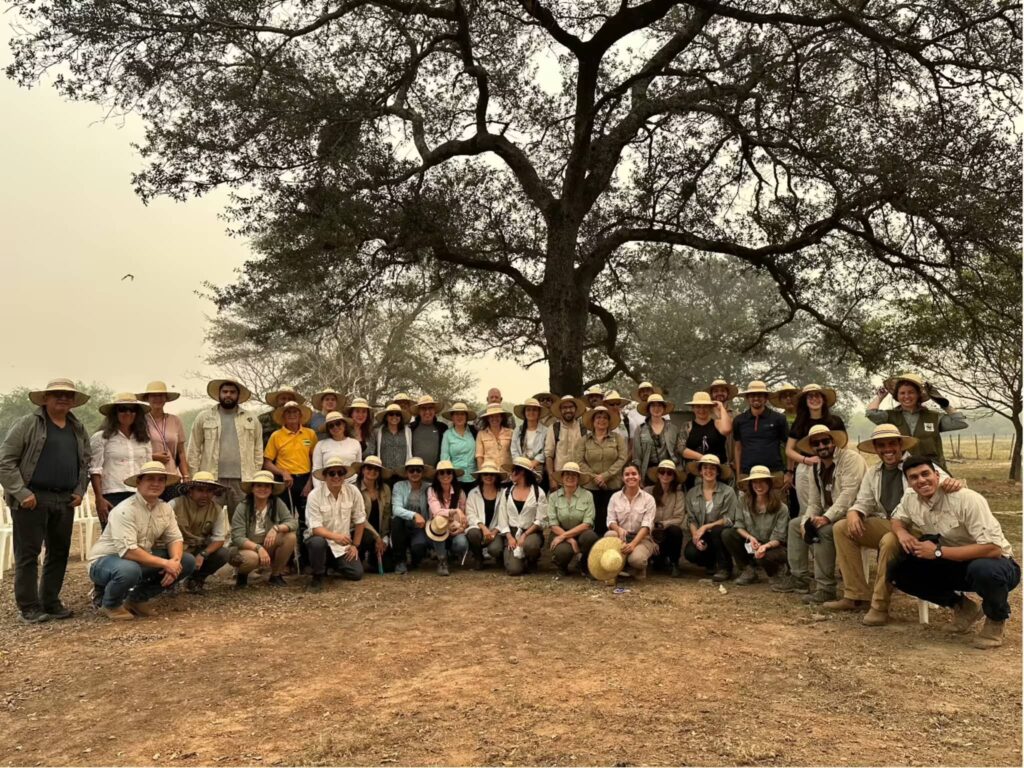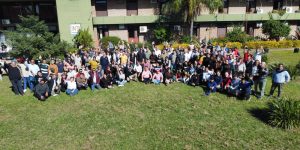
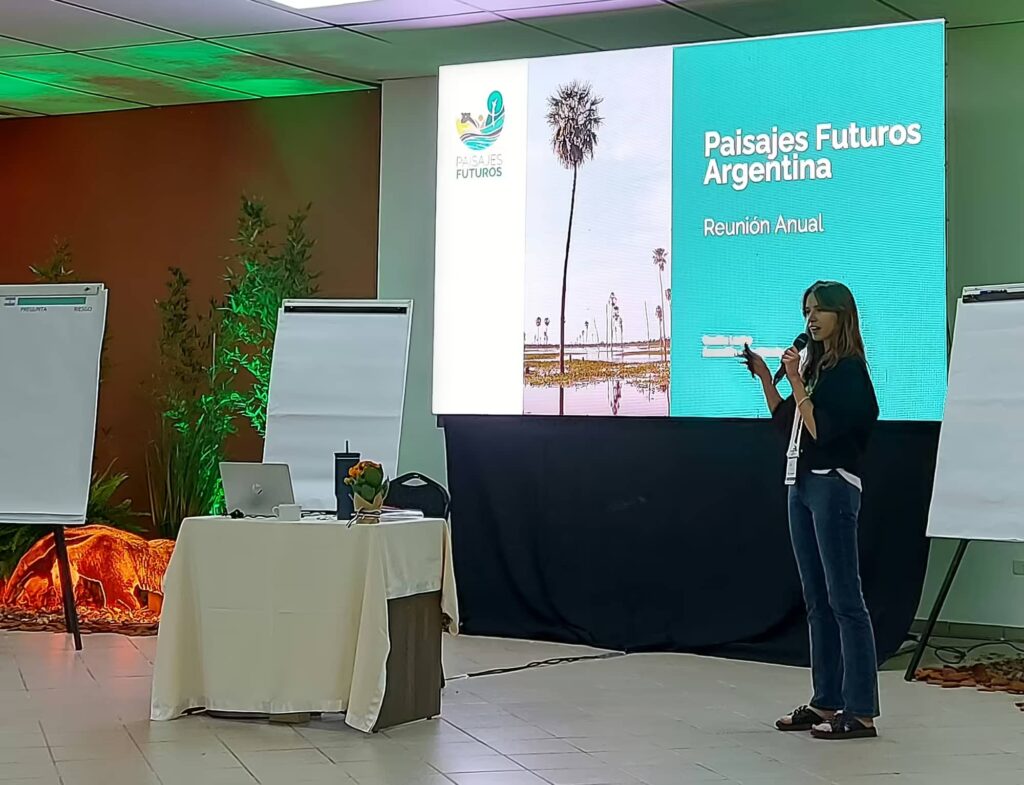
From September 9 to 13, in the heart of Asunción, Paraguay, the Future Landscapes teams from Argentina, Colombia, Ecuador, Paraguay, and Peru convened to exchange ideas and refine strategies for scaling regenerative agriculture and livestock ranching within Latin America's agrifood system.
The central theme of our second annual gathering was fostering a systems-thinking approach to understand and propose comprehensive solutions that chart the course for the impact of regenerative agriculture as a climate change adaptation measure. This approach aims to envision regenerative landscapes that enhance human well-being, protect ecosystems and biodiversity, and build the resilience of food producers.
Over five days, we explored strategies implemented across various countries and landscapes, focusing on key catalysts such as capacity building, policymaking instruments, and regenerative business models for value chains including livestock, cocoa, oil palm, sugarcane, and non-timber forest products.
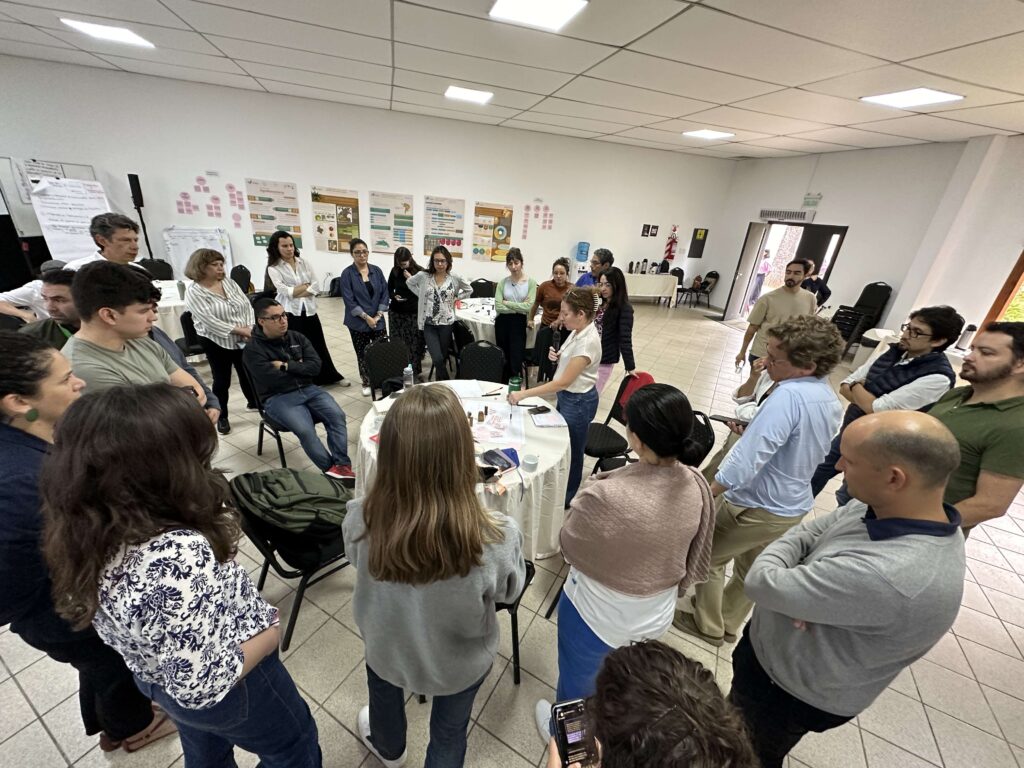
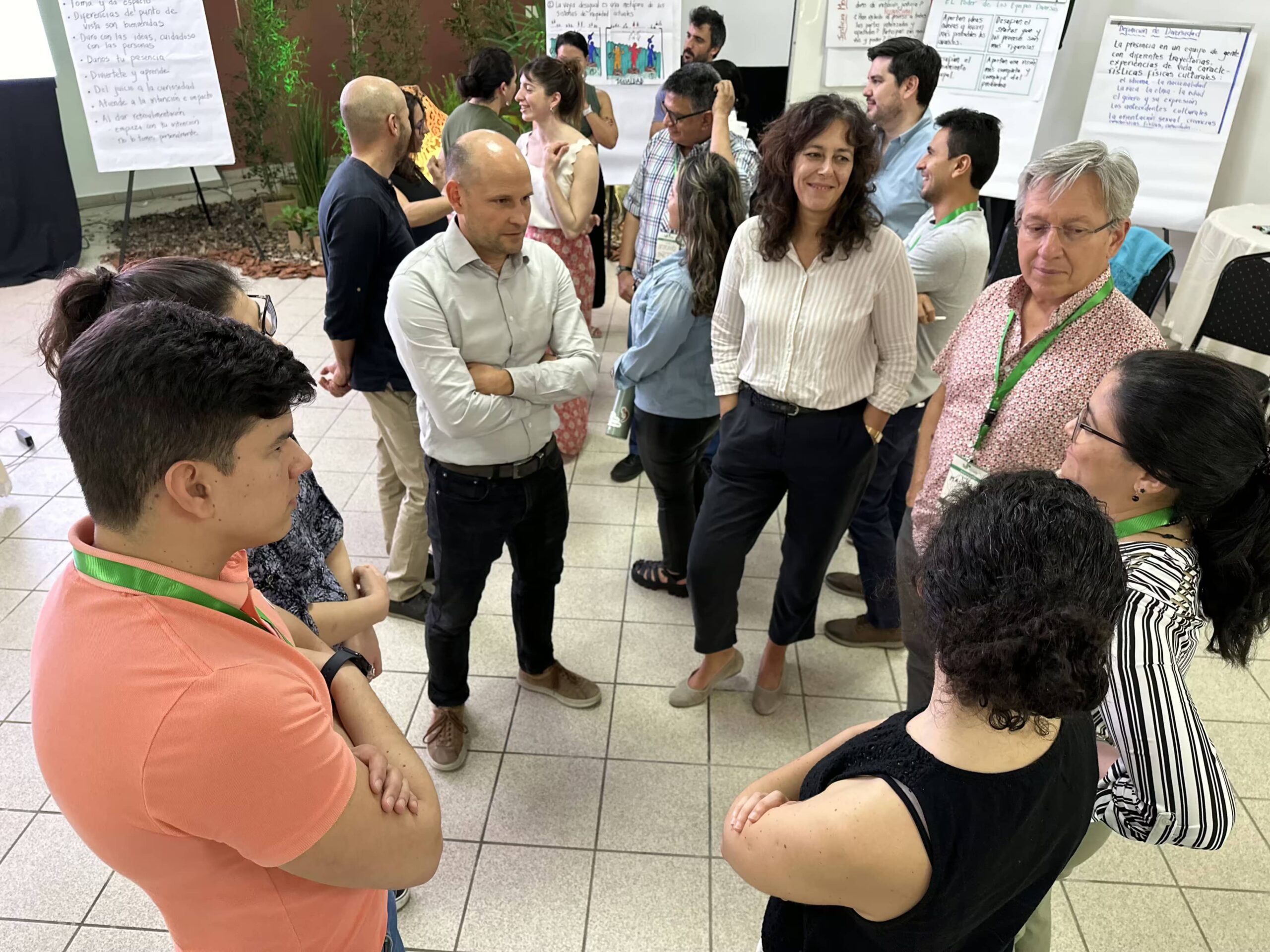
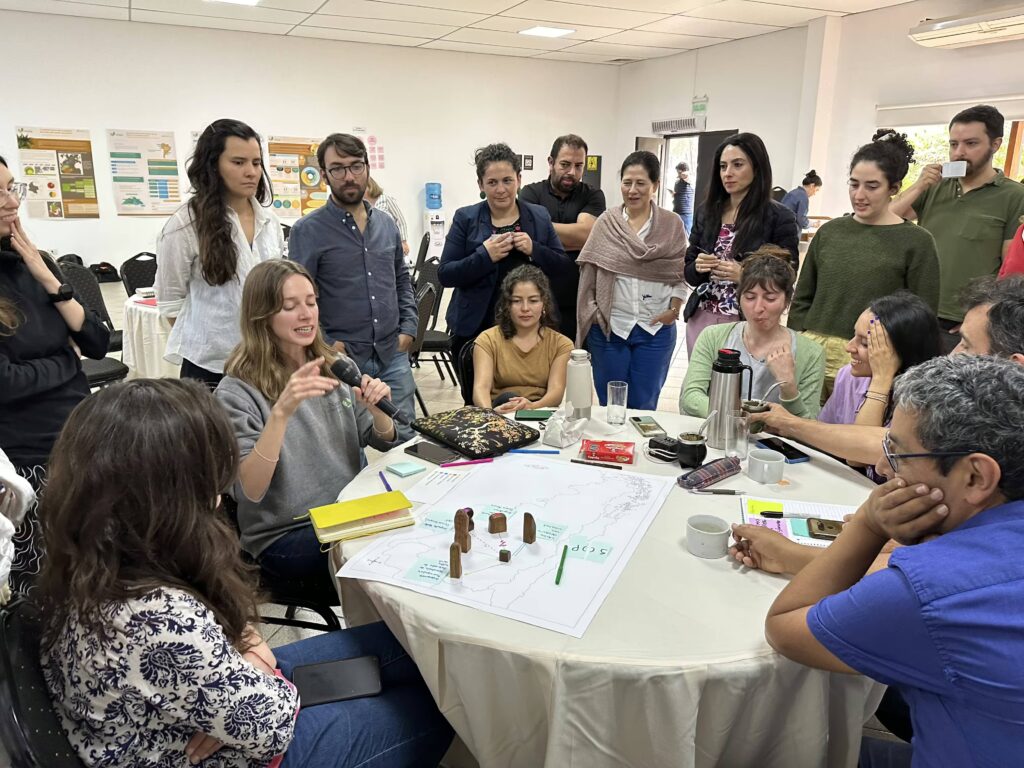
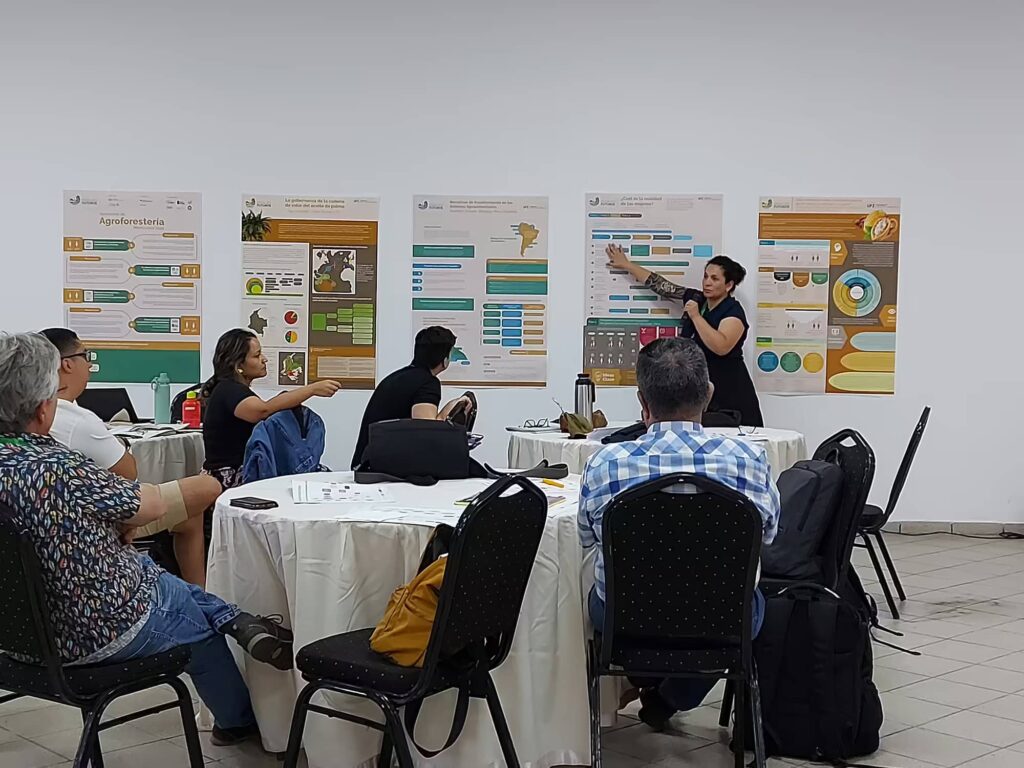
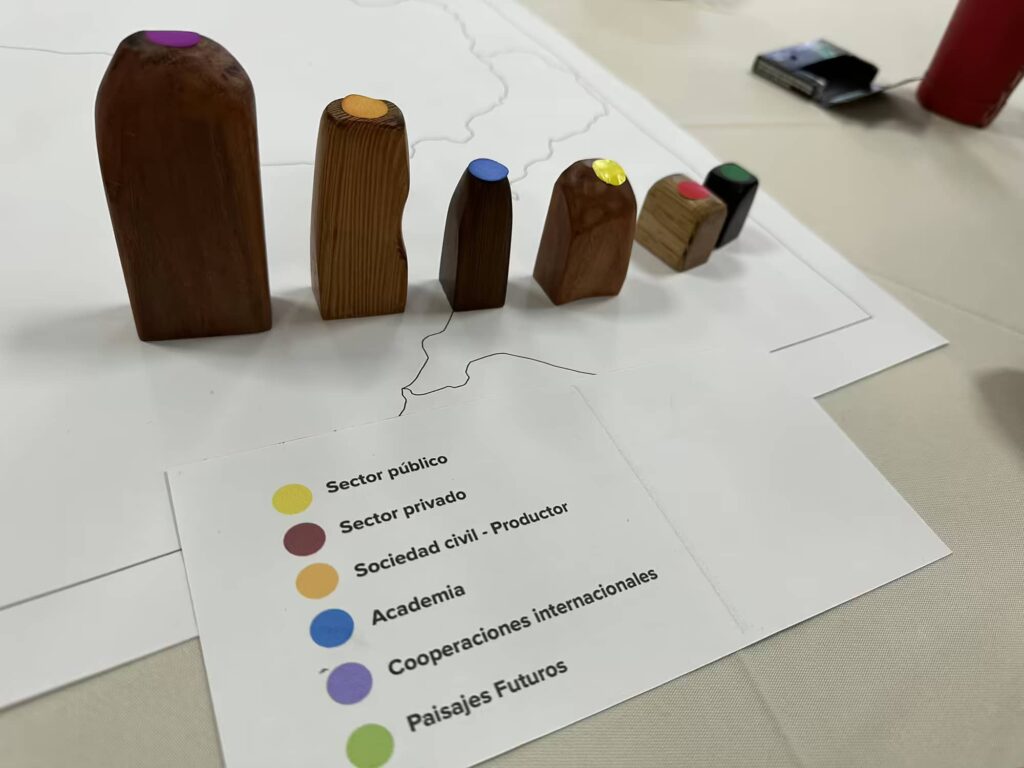
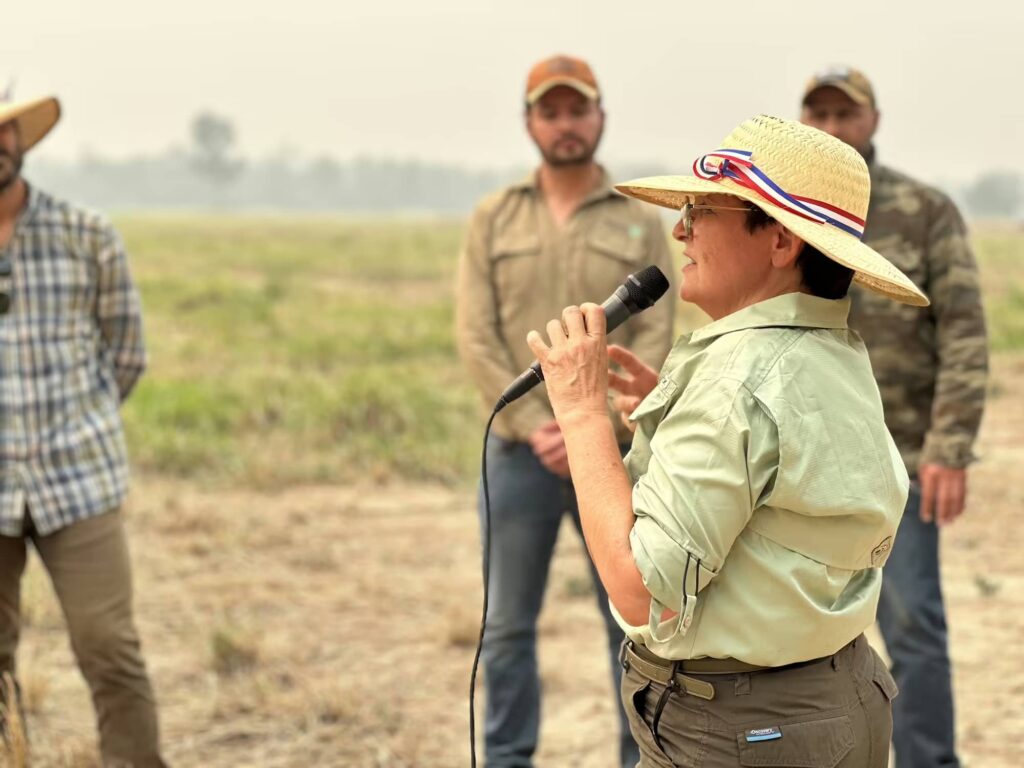
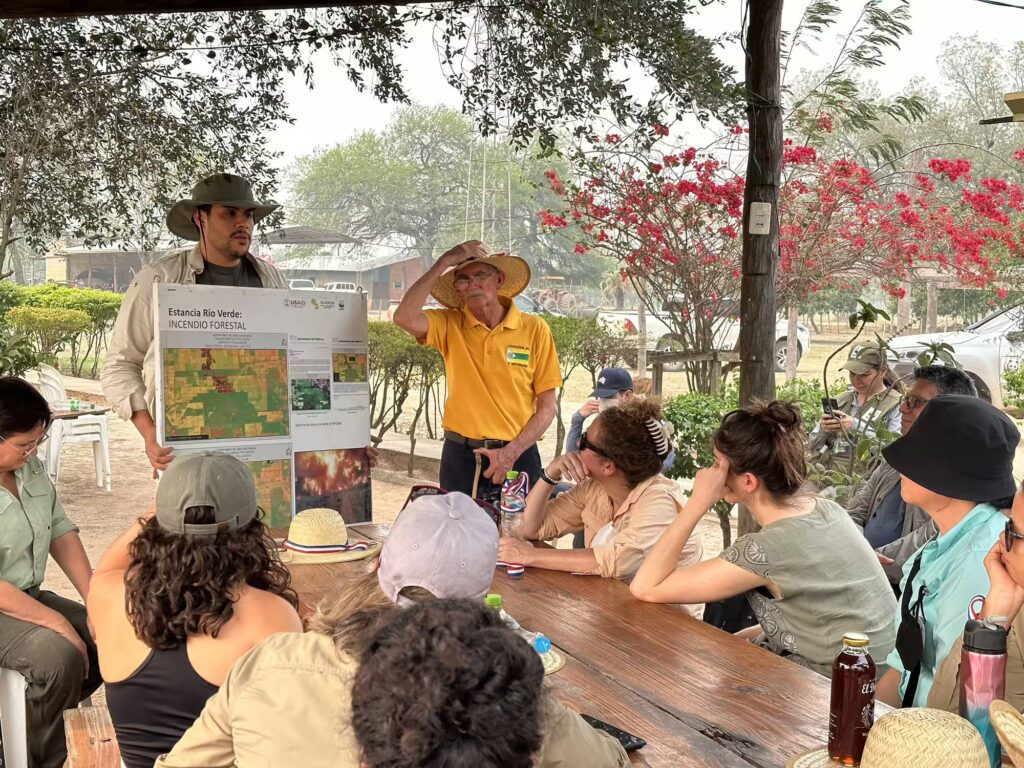
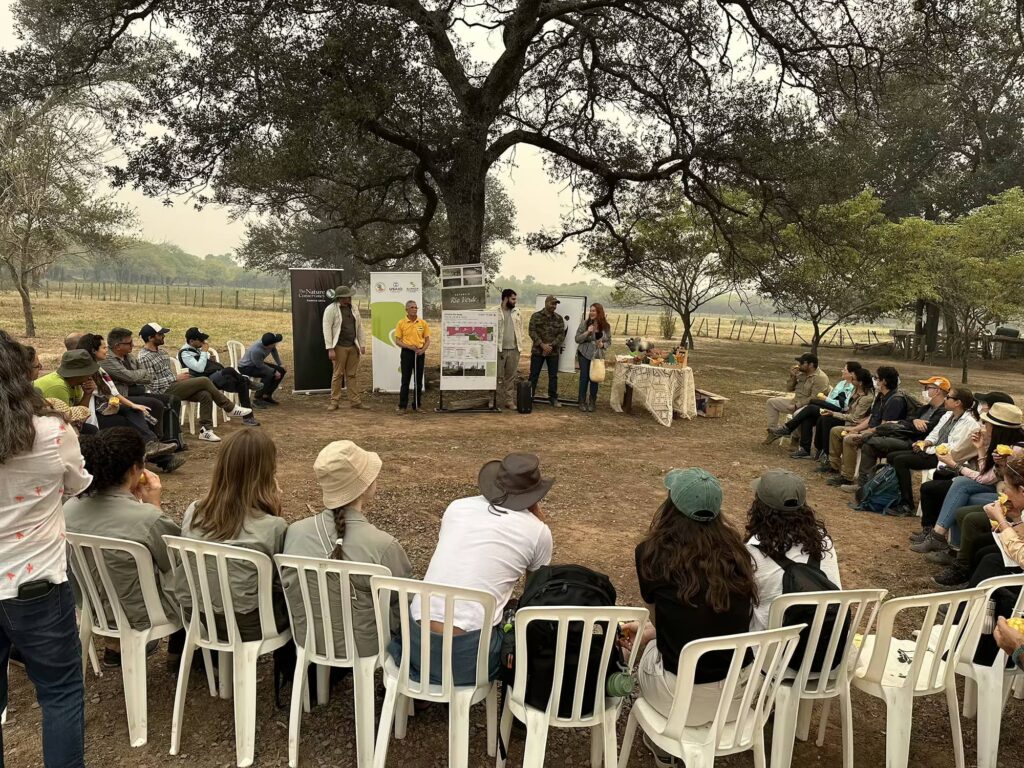
Photos: WWF Paraguay.
Key Takeaways from Our Second Annual Convening
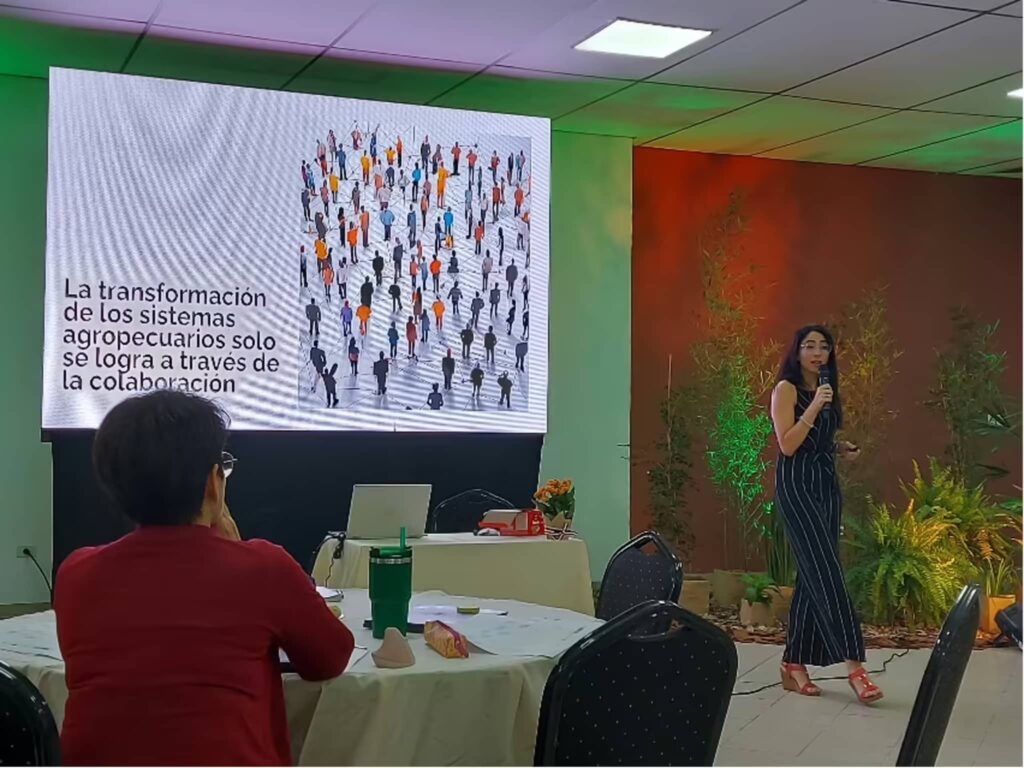
A necessarily collaborative transition
Expanding the Future Landscapes Impact Network across different contexts is a decisive strategy for scaling our mission. This entails co-designing solutions alongside farmers' associations, corporations, policymakers, the financial sector, academia, and other stakeholders.
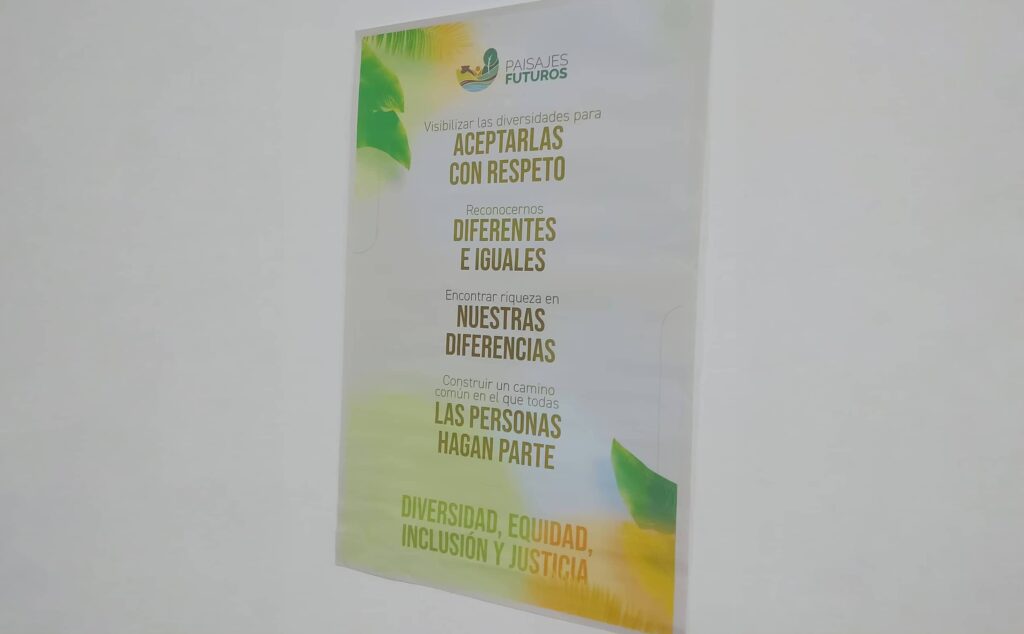
Diversity, Equity, Inclusion, and Justice (DEIJ) as key enablers
Mainstreaming women, youth, and historically marginalized populations into the transition toward a regenerative future was a focal point of our discussions. Generational renewal and women's leadership are vital for rural prosperity and the sustainability of our agrifood systems.
Monitoring, Evaluation, and Learning (MEL)
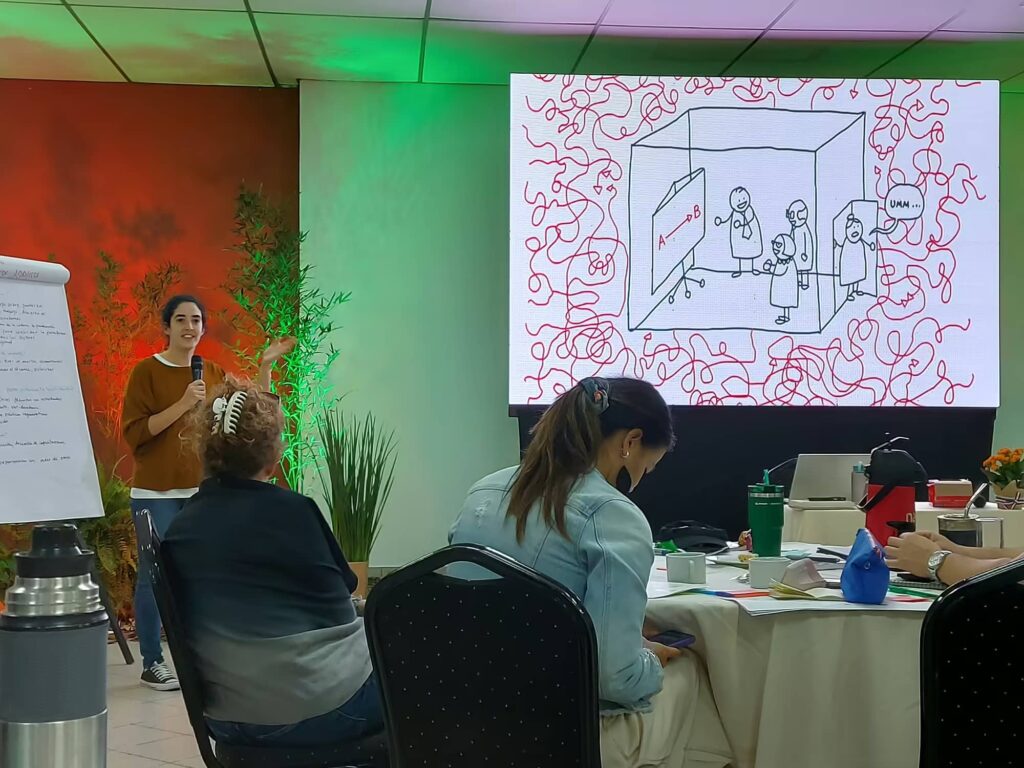
An adaptive approach to monitoring, evaluation, and learning is essential for timely experimentation and progress measurement. This approach enables the agile scalability of regenerative models.
A transition rooted in regenerative principles
We heard inspiring stories from producers in Colombia, Ecuador, Peru, Argentina, and Paraguay that highlight the need for a principles-based approach—tailored to the unique conditions of each value chain and landscape—rather than a one-size-fits-all set of practices.
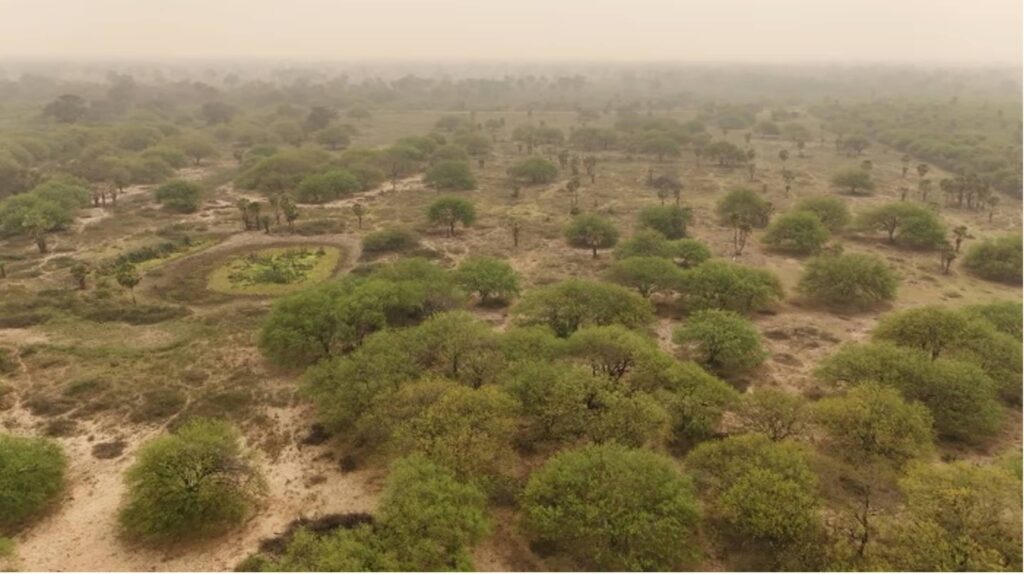
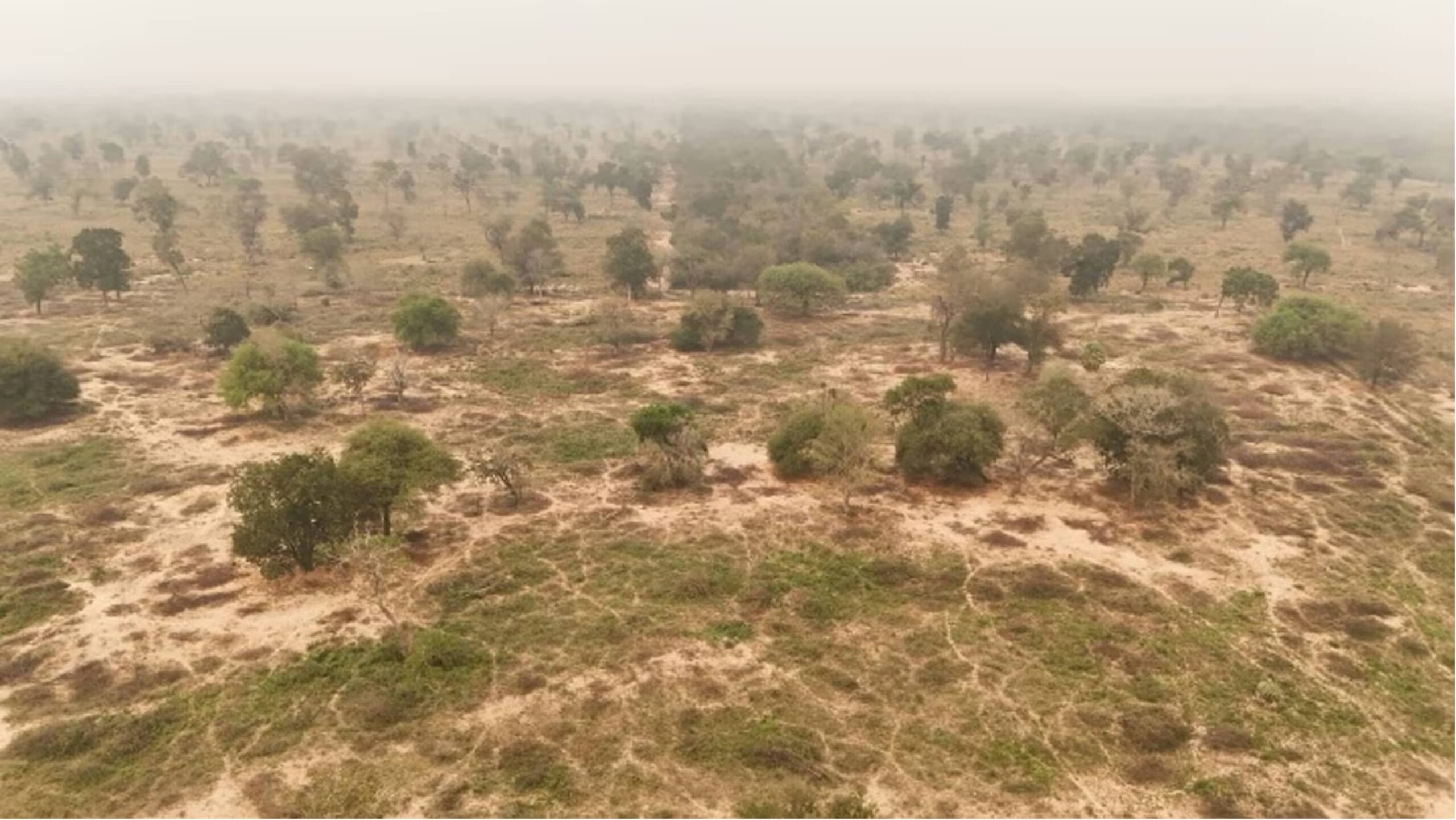
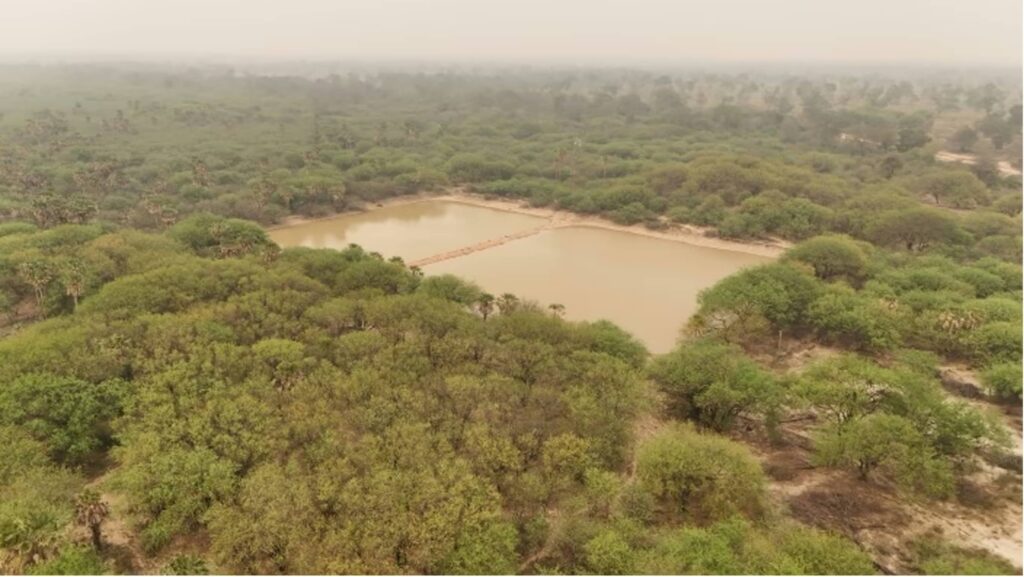
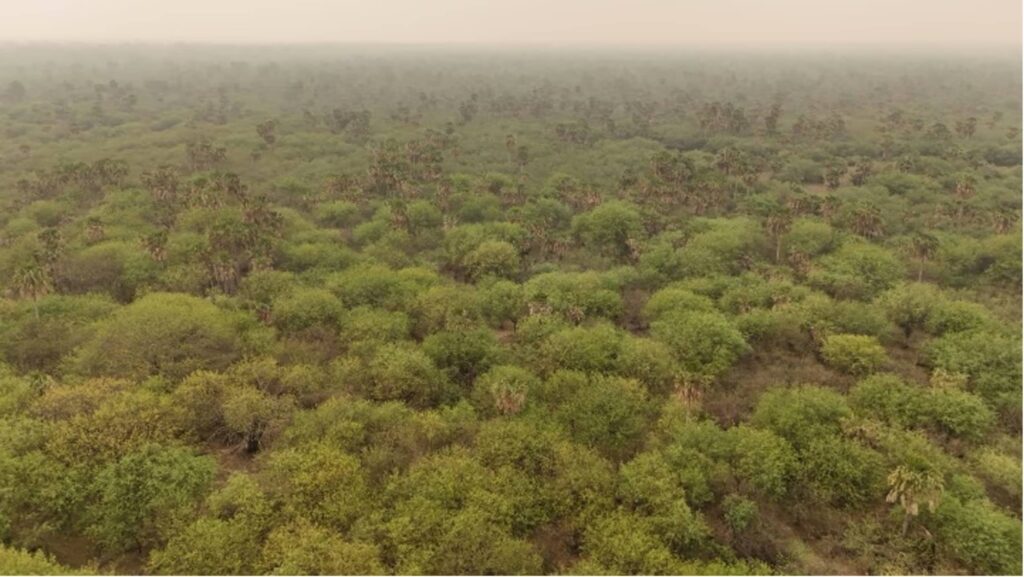
Aerial view of the Paraguayan Gran Chaco during the September 2024 drought. John Jairo Lopera, CIPAV
Key Opportunities Explored
The urgency of our mission was palpable. Recent fires have ravaged over 180,000 hectares of the Gran Chaco dry forest, exacerbated by a heatwave and prolonged drought. This stark reminder of environmental challenges underscores the critical importance of our work.
The Gran Chaco, spanning parts of Paraguay, Bolivia, Argentina, and Brazil, is South America's second-largest forest after the Amazon. It harbors a diverse array of wildlife, including jaguars, pumas, and giant anteaters, and sustains thousands of plant species. However, it faces significant threats from deforestation, agricultural expansion, and climate change.
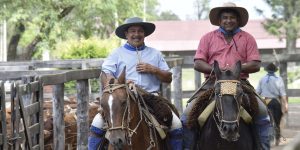
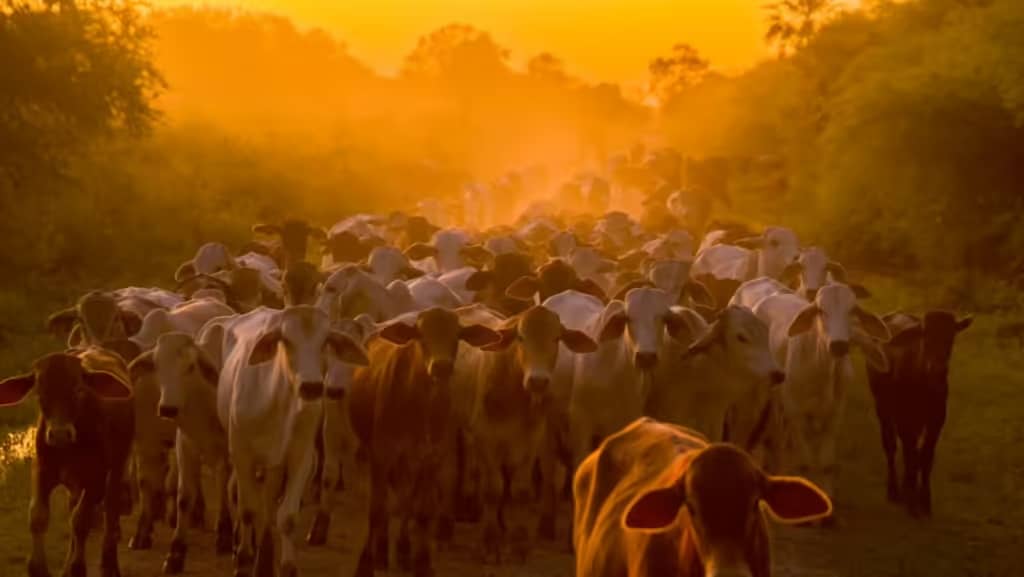
Our visit to Estancia Río Verde in the Gran Chaco was one of the convening's most memorable moments. This family-owned ranch exemplifies how livestock ranching and agriculture can coexist alongside conservation efforts. We learned about their innovative adaptation measures, including rotational grazing, silvopastoral systems, non-lethal anti-predator measures, Tajamares (rainwater reservoirs), and diversification through beekeeping and non-timber forest products.
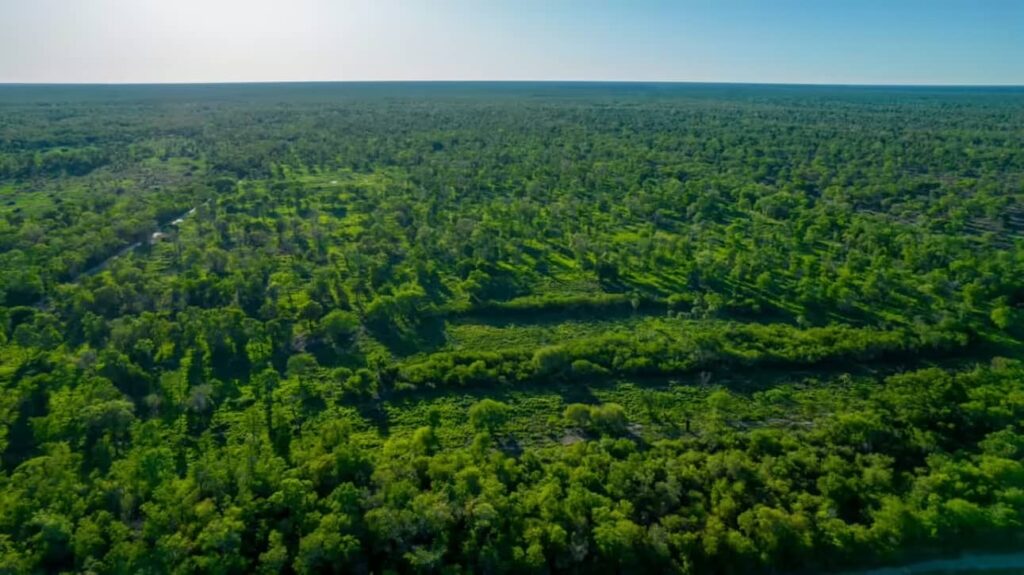
The Paraguayan Gran Chaco during the rainy season. Photos: WWF Paraguay
Regenerative Agriculture: An Essential Ally in Safeguarding Our Landscapes
We heard inspiring stories from producers in Colombia, Ecuador, Peru, Argentina, and Paraguay that highlight the need for a principles-based approach—tailored to the unique conditions of each value chain and landscape—rather than a one-size-fits-all set of practices.